
Escalating Conflicts and Shifting Alliances Reshape Global Security
Summary
Global conflicts are intensifying as Ukraine targets Russian cities, Israel faces growing isolation over its stance on Iran and Hezbollah, and Iran ties ceasefire conditions to Israel’s military responses. Second-order effects include potential unilateral Israeli action against Iran and heightened regional instability in the Middle East and South Asia.
Key Stories
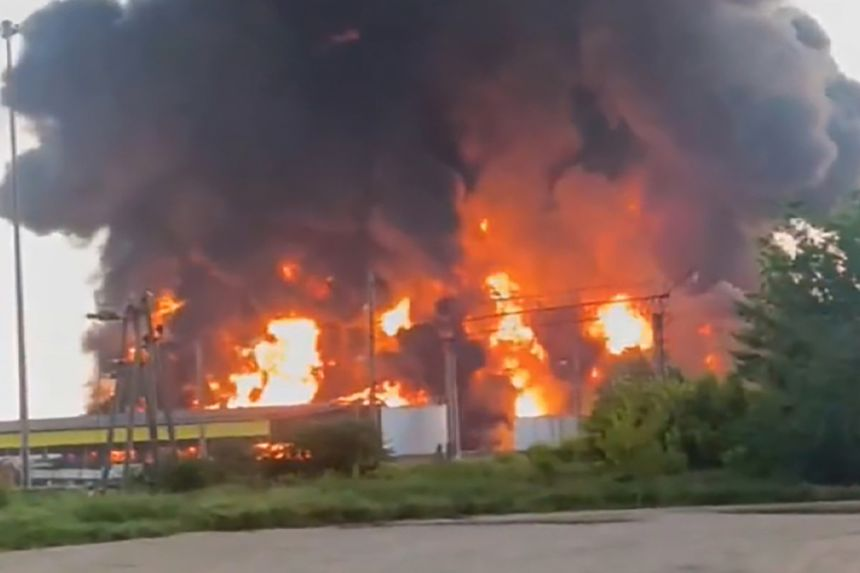
Ukraine strikes Russian city as Zelensky balances talks and warfare — Ukraine launched an attack on St. Petersburg, Russia’s second-largest city, while President Zelensky adopts a dual strategy of negotiation and military action. Russia has yet to respond, suggesting a potential shift in conflict dynamics.
Iran demands US halt Israeli response to Hezbollah as attacks escalate — Iran conditions a ceasefire with the US on Israel stopping its retaliation against Hezbollah, which killed 4 Israeli soldiers and launched 25 attacks in 48 hours. The ultimatum risks broader conflict if Hezbollah targets US forces in Lebanon.
Israel prepares for unilateral action against Iran amid US disengagement — An Israeli cabinet source reveals Israel assumes the US has lost interest in countering Iran, prompting preparations for independent military action. The shift signals growing Israeli isolation and potential preemptive strikes.
Hezbollah intensifies attacks on IDF as regional tensions rise — Hezbollah is conducting near-continuous attacks on Israeli forces in Lebanon, testing IDF defenses. The escalation coincides with Iran’s ceasefire demands and may indicate coordinated pressure on Israel.
Cultural heritage at risk as Ukraine defends historic sites from Russian strikes — Efforts are underway to protect a 1,000-year-old UNESCO World Heritage Site in Ukraine from Russian attacks. The conflict’s toll on cultural landmarks underscores broader geopolitical and humanitarian stakes.
The News And Times Blog
Escalating Conflicts and Shifting Alliances Reshape Global Security
Escalating Conflicts and Shifting Alliances Reshape Global Stability
South Caucasus Tensions Rise Amid Regional Power Shifts

Russia and Ukraine
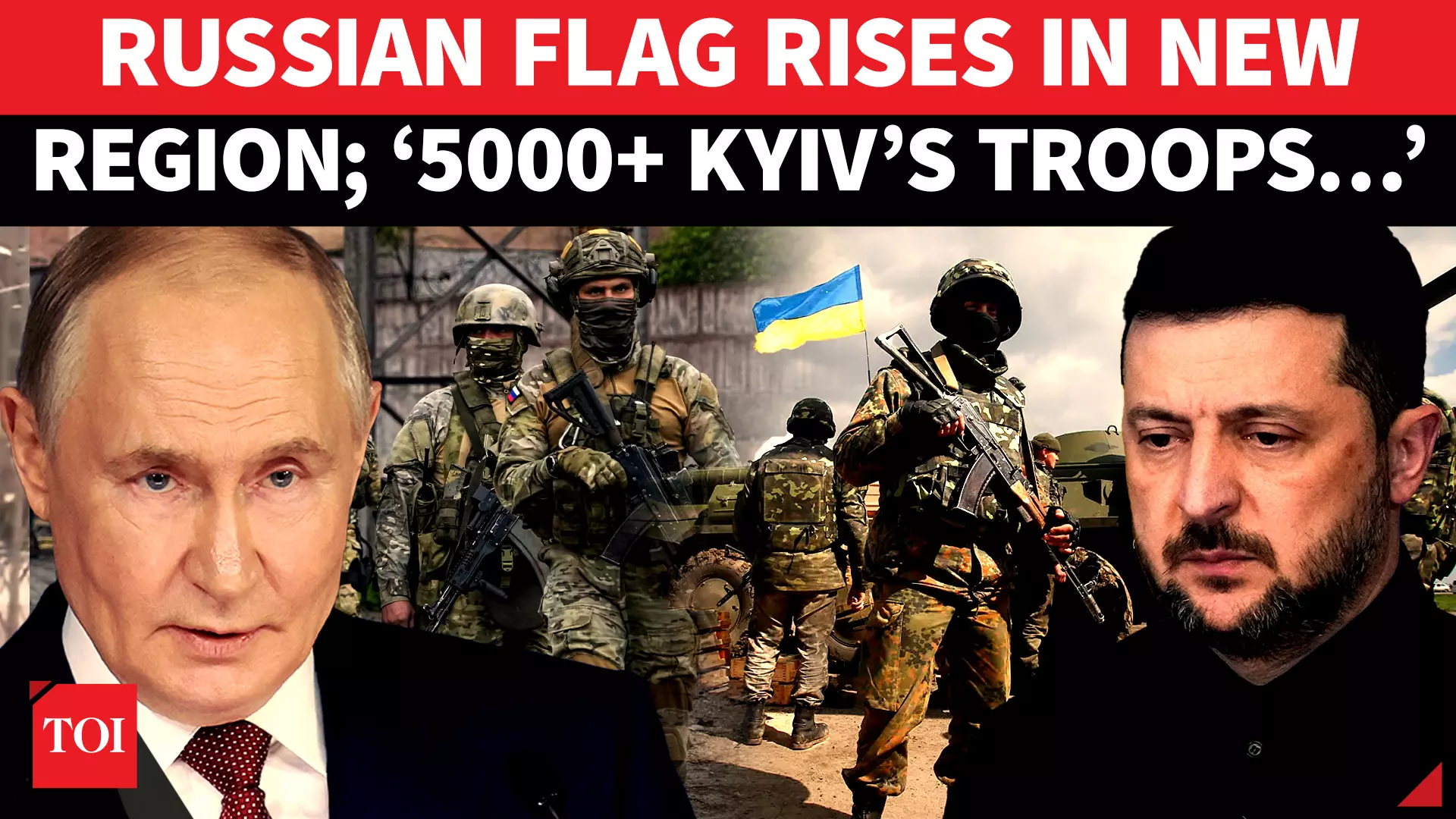
Putin and Putinism
Israel and the Middle East
Shifting War Dynamics and EU Unity Under Pressure
Shifting Fronts in War, Intelligence, and Societal Tensions
