
Summary
Global powers are racing to operationalize AI in military systems, with the U.S. and NATO focusing on speeding up decision cycles while Israel tests tech in active combat. Meanwhile, Russia is shifting its espionage strategy toward using high-volume, low-cost throwaway agents recruited online to conduct sabotage across Europe.
Key Stories
-
Russia shifts to disposable throwaway agents — Russian intelligence is moving away from long-term embedded spies toward Wegwerfagenten, or throwaway agents, who are recruited via Telegram to perform low-level sabotage and surveillance with no training.
-
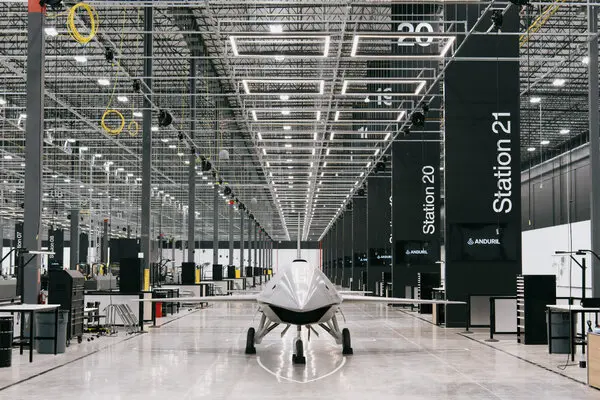
The rise of algorithmic warfare — The global arms race has shifted from building AI models to operationalizing them, with the U.S. and NATO using systems like the NGT Beacon Project to slash target acquisition times by half.
-
Sino-Russian energy and economic shifts — Vladimir Putin led a massive delegation to Beijing to break a deadlock over the Power of Siberia 2 pipeline, as China moves toward a new Gross Ecosystem Product metric to value natural capital.
-
Drone escalation in the Sudanese border — The conflict in Sudan is seeing a devastating spike in localized drone strikes, with medical teams in neighboring Chad reporting a massive influx of wounded patients from RSF-attributed attacks.



Conversations with the Gemini – 6.1.26 – 6.7.26: Russia’s Costly War of Attrition … Russia’s War in Ukraine: A Losing Battle … Russian Communism: Syndicate Statecraft … Trump’s Restructuring of US Intelligence …