Categories
Articles and Tweets

Iran war: Strikes on Iranian nuclear sites

The 2026 U.S.–Iran War has dramatically escalated following the collapse of a brief summer truce, with the U.S. military completing its sixth consecutive night of major airstrikes against Iranian targets. The conflict, which began with a massive joint U.S.–Israeli campaign on February 28, 2026, has expanded into an all-out regional war heavily impacting global energy security and shipping. [1, 2, 3, 4]

Current Military Situation

  • U.S. Striking Iran: U.S. Central Command (CENTCOM) has launched a sustained aerial campaign using fighter jets, warships, and drones. Recent precision strikes have targeted coastal radar sites, air defenses, and logistics hubs in southern port cities like Bandar Abbas. On July 16, U.S. forces successfully destroyed a critical IRGC maritime surveillance tower at the Chah Bahar Shahid Kalantari Port. [3, 5, 6, 7, 8]
  • Expanding Infrastructure Damage: While initial U.S. actions focused entirely on military assets, the latest waves of bombardments have expanded to civilian infrastructure, destroying electrical facilities and several key bridges. [9, 10]
  • Iranian Retaliation: In response to the American campaign, Iran has launched widespread missile and drone attacks targeting U.S. bases and host nations across the Middle East. Retaliatory strikes have triggered air defense systems and caused shrapnel injuries in Qatar, Kuwait, Jordan, and Bahrain. [2, 3, 5, 11, 12]

The Strait of Hormuz Blockade

The strategic waterway has become the primary bottleneck of the war. Following a breakdown of the short-lived June ceasefire treaty—which President Donald Trump had signed alongside Iranian President Masoud Pezeshkian—the U.S. reimposed a strict naval blockade on Iranian ports. Maritime risk analysts report that commercial ship crews are now completely unwilling to traverse the Strait of Hormuz, effectively cutting off 20% of the world’s daily oil supply and causing immense volatility in global energy markets. [1, 2, 4, 13, 14]

Diplomatic and Casualties Status

  • Human Toll: Iran’s health ministry reported that U.S. strikes over the last month have killed at least 38 people and wounded 400 others. [2]
  • Stalled Negotiations: Diplomatic channels have broken down entirely. The White House has stated that strikes will continue until Iran pays severe consequences for targeting commercial shipping. Conversely, Iran’s military leadership has warned that the regional infrastructure will be “crushed under steel blows” if the U.S. hits more civilian assets. [2, 15, 16]

Would you like to know more about the economic impacts on oil prices, details regarding the initial February 2026 opening strikes, or how neighboring Gulf states are reacting?
–


The Middle East has escalated into a direct conflict as U.S. Central Command (CENTCOM) has launched its sixth consecutive night of air strikes against Iran. This current crisis was triggered when a fragile ceasefire collapsed after the Islamic Revolutionary Guard Corps (IRGC) attacked commercial tankers and closed the strategic Strait of Hormuz. [1, 2, 3]
The military campaign is characterized by targeted operations, heavy infrastructure degradation, and rapid cross-border retaliations. [4, 5, 6]

💥 Strikes on Iranian Nuclear Sites

  • Precursor Operations: Initial, highly destructive operations against Iran’s nuclear infrastructure took place during previous flare-ups, including “Operation Midnight Hammer,” which saw U.S. and Israeli forces target underground facilities. [7, 8]
  • Core Nuclear Targets: Deep-penetration bunker-buster bombs were deployed directly against primary nuclear facilities in Fordow, Natanz, and Isfahan. [7, 8]
  • Consequences: These strikes heavily degraded Iran’s uranium enrichment infrastructure, bringing the U.S. into direct, un-proxied combat with Tehran. [7, 8]


🚀 Destruction of Missile Launchers & Coastal Assets

  • Precision Bombing: Over the last six nights, CENTCOM has hit more than 80 targets using precision-guided munitions. [3, 4]
  • Launcher Degradation: Air strikes have systematically destroyed active anti-ship missile capabilities, mobile ballistic missile launchers, and command-and-control hubs. [4, 9, 10]
  • Naval and Port Hits: Intense bombing waves targeted coastal radar sites and naval infrastructure in the southern port cities of Bandar Abbas, Bushehr, and Qeshm Island. [11, 12]
  • IRGC Navy Neutralization: U.S. forces destroyed over 60 IRGC fast-attack small boats used to harass international shipping lines. [4]


🔄 Iranian Retaliatory Attacks across the Gulf

In an “eye for an eye” doctrine, the IRGC has launched multi-phase drone and ballistic missile responses targeting U.S. regional assets and neighboring Gulf states: [13]
  • Qatar: Fired a salvo of ballistic missiles directly targeting the Al Udeid Air Base, which hosts the forward headquarters of U.S. Central Command, lighting up the skies over Doha.
  • Kuwait & Bahrain: Launched daily drone and missile strikes targeting Shaikh Isa Air Base (Bahrain) and Ali Al-Salem Base (Kuwait), triggering constant air raid sirens.
  • Jordan: Targeted the Prince Hassan Air Base (Azraq), forcing Jordanian air defenses to intercept multiple incoming missiles crossing their airspace.
  • Iraq: Struck the Ain al-Asad Air Base in western Anbar province to disrupt U.S. regional logistics. [7, 13, 14]


🗺️ Interactive Regional Conflict Map

[Rich media excluded from paste]

–
Categories
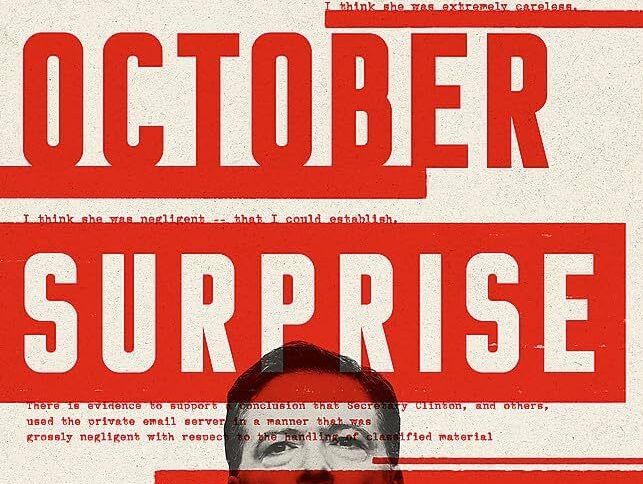
October Surprise 2016

Strikes on Iranian nuclear sites


The Middle East has escalated into a direct conflict as U.S. Central Command (CENTCOM) has launched its sixth consecutive night of air strikes against Iran. This current crisis was triggered when a fragile ceasefire collapsed after the Islamic Revolutionary Guard Corps (IRGC) attacked commercial tankers and closed the strategic Strait of Hormuz. [1, 2, 3]
The military campaign is characterized by targeted operations, heavy infrastructure degradation, and rapid cross-border retaliations. [4, 5, 6]

💥 Strikes on Iranian Nuclear Sites

  • Precursor Operations: Initial, highly destructive operations against Iran’s nuclear infrastructure took place during previous flare-ups, including “Operation Midnight Hammer,” which saw U.S. and Israeli forces target underground facilities. [7, 8]
  • Core Nuclear Targets: Deep-penetration bunker-buster bombs were deployed directly against primary nuclear facilities in Fordow, Natanz, and Isfahan. [7, 8]
  • Consequences: These strikes heavily degraded Iran’s uranium enrichment infrastructure, bringing the U.S. into direct, un-proxied combat with Tehran. [7, 8]


🚀 Destruction of Missile Launchers & Coastal Assets

  • Precision Bombing: Over the last six nights, CENTCOM has hit more than 80 targets using precision-guided munitions. [3, 4]
  • Launcher Degradation: Air strikes have systematically destroyed active anti-ship missile capabilities, mobile ballistic missile launchers, and command-and-control hubs. [4, 9, 10]
  • Naval and Port Hits: Intense bombing waves targeted coastal radar sites and naval infrastructure in the southern port cities of Bandar Abbas, Bushehr, and Qeshm Island. [11, 12]
  • IRGC Navy Neutralization: U.S. forces destroyed over 60 IRGC fast-attack small boats used to harass international shipping lines. [4]


🔄 Iranian Retaliatory Attacks across the Gulf

In an “eye for an eye” doctrine, the IRGC has launched multi-phase drone and ballistic missile responses targeting U.S. regional assets and neighboring Gulf states: [13]
  • Qatar: Fired a salvo of ballistic missiles directly targeting the Al Udeid Air Base, which hosts the forward headquarters of U.S. Central Command, lighting up the skies over Doha.
  • Kuwait & Bahrain: Launched daily drone and missile strikes targeting Shaikh Isa Air Base (Bahrain) and Ali Al-Salem Base (Kuwait), triggering constant air raid sirens.
  • Jordan: Targeted the Prince Hassan Air Base (Azraq), forcing Jordanian air defenses to intercept multiple incoming missiles crossing their airspace.
  • Iraq: Struck the Ain al-Asad Air Base in western Anbar province to disrupt U.S. regional logistics. [7, 13, 14]


🗺️ Interactive Regional Conflict Map

[Rich media excluded from paste]

–
Categories
Articles and Tweets

Escalating Middle East Conflict Dominates Global Headlines

Summary

The US-Israel military campaign against Iran has intensified since February 2026, marking a dramatic escalation in long-standing regional tensions. Reports indicate strikes on Iranian nuclear sites, missile launchers, and retaliatory attacks, with second-order effects including oil market volatility and heightened global security concerns. Meanwhile, misinformation around crowd estimates in conflict zones highlights the growing role of open-source intelligence in verifying wartime claims.

Key Stories

US and Israel launch coordinated strikes on Iranian nuclear sites — Military operations targeting Iranian nuclear facilities and missile launchers were reported on June 13, 2025, with Prime Minister Netanyahu framing the attacks as preemptive. Analysts suggest the strikes may accelerate Iran’s nuclear ambitions rather than deter them.

Iran retaliates with missile strikes on Israel and US bases — Following US-Israel attacks, Iran launched missile strikes on Israeli territory and American military bases in the region, escalating the conflict into direct state-to-state warfare. The retaliation underscores Iran’s willingness to challenge Western military presence.

OSINT analysis challenges inflated crowd estimates in conflict zones — A viral thread using open-source tools debunked exaggerated claims about crowd sizes in wartime imagery, demonstrating how drone angles distort perceptions. The analysis highlights the growing role of citizen-led verification in conflict reporting.

Oil markets brace for prolonged Middle East instability — The US-Israel-Iran conflict has triggered volatility in global oil markets, with analysts warning of sustained price spikes if key shipping routes or production hubs are disrupted. The crisis may reshape energy geopolitics beyond the region.

Media coverage polarizes around US-Israel war narrative — Outlets like Al Jazeera and Reuters frame the conflict as a US-Israel offensive, while Western sources emphasize Iranian aggression. The divergence in framing suggests deepening information warfare alongside military hostilities.

Categories
Articles and Tweets

RT by @mikenov: RT by @mikenov: تحقيق خاص كل شوي أشوف صور حشود السبعين، ومعها أرقام ضخمة بدون أي دليل، فقلت أعمل تحليل سريع باستخدام أدوات مفتوحة المصدر #OSINT وأشارككم النتيجة. أول شيء لازم ننتبه له، أن صور الدرون الملتقطة من زاوية مائلة ومنخفضة دائم تعطي انطباع مضلل. هذه الزاوية تضغط المنظور، وتخفي المسافات الطبيعية بين الأشخاص، فيظهر الحشد في الخلف وكأنه كتلة واحدة متلاصقة، بينما الواقع مختلف. بعدها رجعت للصورة نفسها ودققت في التفاصيل. واضح وجود فراغات كبيرة داخل التجمع، خاصة حول الأعلام الضخمة الممددة على الأرض. كذلك الكثافة الحقيقية تتركز في منتصف الطريق، بينما الأرصفة والمناطق الترابية المحيطة بجامع الصالح وحديقة السبعين فيها فراغات واسعة وانتشار متقطع، وليست ممتلئة كما توحي بعض اللقطا

Categories
October Surprise 2016

Vancity – Be a financial force for change.

Vancity is a credit union committed to a clean and fair world. Accounts, credit cards, mortgages, business banking and more.
Categories
October Surprise 2016

标题

(2)主磁极主磁极的作用是产生气隙磁场. 主磁极由主磁极铁芯和励磁绕组两部分组成.铁芯一般由05~15mm 厚的硅钢板片叠压铆紧而成, 分为极身和极掌两部分,上面套励磁绕组的部分称为极身, 下面扩宽的部分称为极掌, 极掌宽于极身,既可以调整气隙中磁场的分布, 又便于固定励磁绕组. 励磁绕组用绝缘 …
Categories
October Surprise 2016

【公式】森のスパリゾート 北海道ホテル|十勝・帯広市のフル …

HOTEL CONCEPT 北海道ホテルの想い 物語の始まりは明治32年。 これからも北海道の十勝で、ここにしかないホテルの過ごし方を提案し続けていきます。 これまでの100年を受け継ぎ、これからの100年も「記憶に残るホテル」を目指して。
Categories
October Surprise 2016

What Happened in 2016 – On This Day

What happened and who was famous in 2016? Browse important and historic events, world leaders, famous birthdays and notable deaths from the year 2016.
Categories
October Surprise 2016

What Happened in 2016 – On This Day

What happened and who was famous in 2016? Browse important and historic events, world leaders, famous birthdays and notable deaths from the year 2016.
Categories
October Surprise 2016

What Happened in 2016 – On This Day

What happened and who was famous in 2016? Browse important and historic events, world leaders, famous birthdays and notable deaths from the year 2016.