Abkhazia’s economy is moving towards a market-based model, but with limited success so far and remains largely regulated. The government retains control over most sectors and processes while at the same time attempting to stimulate investment activity—an approach that appears to be falling short.
These assessments point to systemic, rather than isolated, problems in the economy. They were voiced during a major parliamentary discussion attended by MPs, the economy minister, and representatives of the academic and business communities.
Economic model: between market and control
The effectiveness of this model is being questioned. On the one hand, the authorities declare support for business and investors; on the other, many such projects fail to deliver the expected results. As MPs stressed, the situation is further aggravated by a lack of personal accountability for unsuccessful decisions.
Economy Minister Teimuraz Mikvabia effectively acknowledged that a significant share of the problems stems from mistakes made in previous years, when the government lacked sufficient oversight mechanisms.
“Functions related to oversight were not assigned to state bodies, and government agencies did not take part in the selection process. I am not saying this is necessarily bad, but there is a factual outcome. There are a number of projects that are not servicing the loans they received,” the minister said.
To prevent this from happening again and to ensure that projects receiving budget support become profitable, the Ministry of Economy is increasing its role in the selection process.
“A procedure for selecting projects eligible for preferential loans has been approved. Under this framework, the Ministry of Economy has been tasked with maintaining constant interaction with both creditors and borrowers.”
We also assist lenders if borrowers fail to respond. On a regular basis, we request information on financial and economic performance, obtain balance sheets, and track whether loans are being serviced,” Mikvabia explained.
This signals a shift towards a more managed economic model. However, questions remain as to whether these new mechanisms can offset accumulated losses.
From asset to burden
Particular attention was paid to state-owned enterprises. The example of bakeries highlighted a typical issue—low competitiveness.
Parliament Speaker Lasha Ashuba pointed to another problem: the administrative factor.
“At different times, contracts for supplying bakery products were handed over to private companies on the recommendation of officials. This is what has led to the current results. A large factory with significant capacity is now producing minimal output,” he said.
The minister also mentioned profitable enterprises, including Abkhazian Railways and the state shipping company. However, a significant portion of the state sector remains loss-making.
“If investments do not generate returns and become a burden, they should be disposed of—sold, even at a discount,” one MP suggested.
The government, however, is taking a more cautious approach.
“In a sense, this serves as a mechanism to protect assets from looting and inefficient use,” the minister responded.
Airport as an indicator of economic policy
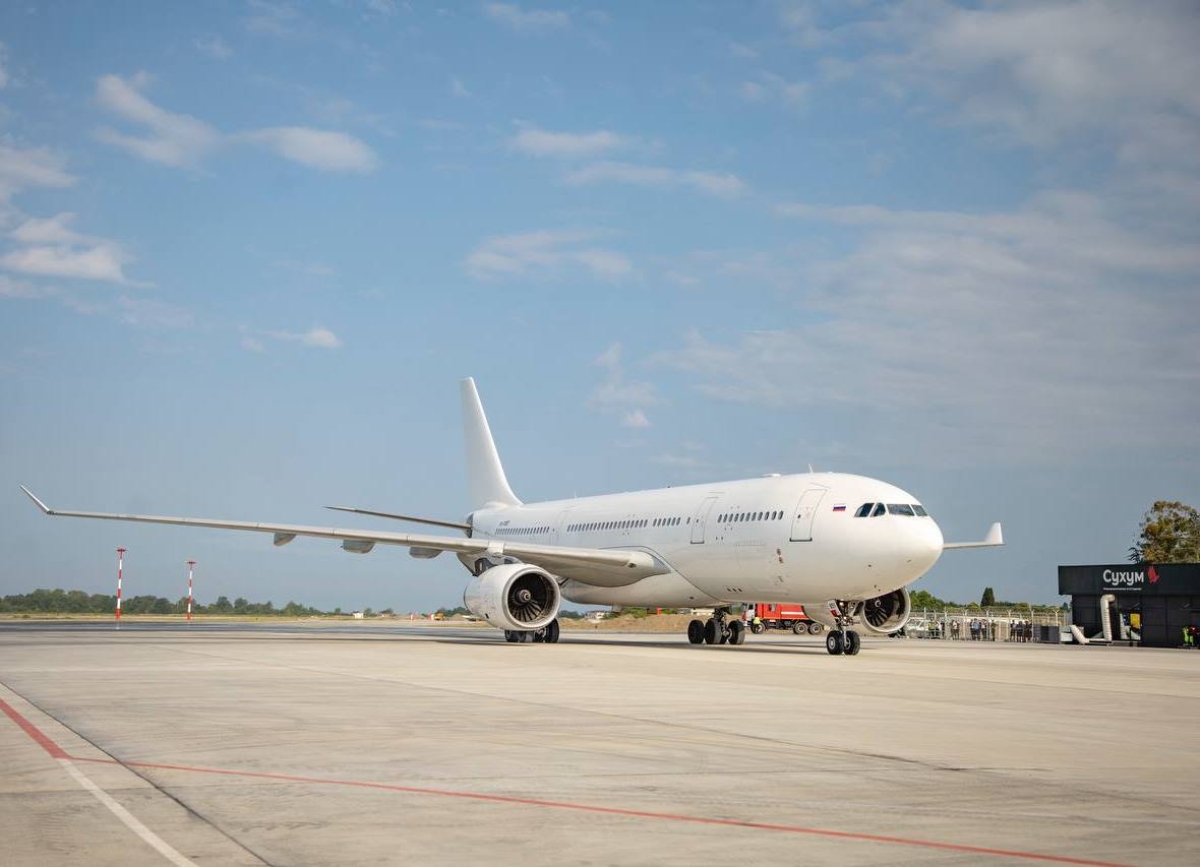
One of the key cases in Abkhazia’s economic policy is Sukhum airport.
On the one hand, it is a large-scale infrastructure project that has already required significant investment from Russia.
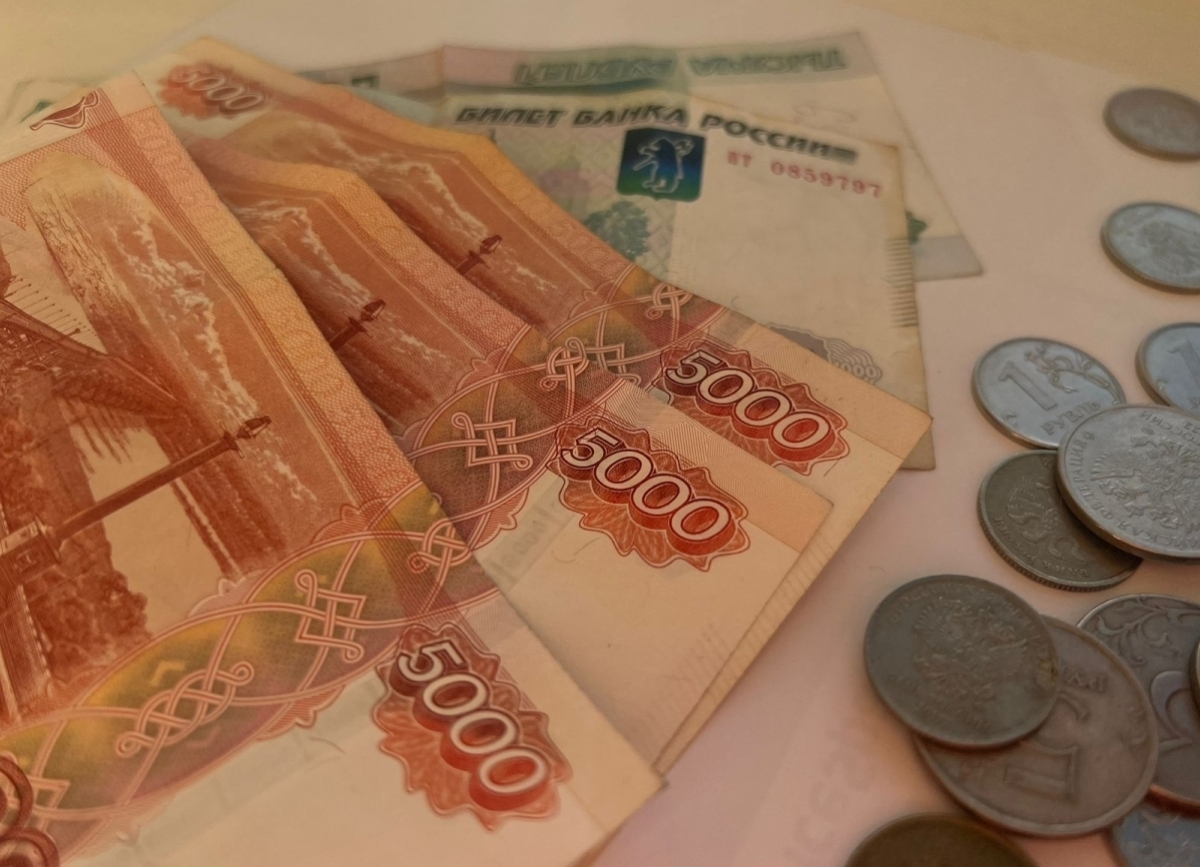
“About 70 million roubles (around $861,000) has already been returned to the investor. The total amount is much higher. The debt is expected to be repaid in stages as budget revenues grow,” the minister said.
On the other hand, questions remain about its efficiency. High ticket prices and low passenger traffic are limiting demand.
“How can prices be made affordable for citizens?” asked MP Rezo Zantaria.
He also pointed to the low level of comfort at the new airport:
“It takes at least an hour and a half to get from the plane to the terminal. This is unacceptable.”
The minister explained the situation in economic terms:
“The more passengers there are, the more flights, the higher the investor’s revenues, and the greater the likelihood of moving to the second phase of the project.”
In practice, however, this model is constrained by infrastructure limitations and external factors.
Legislation and reality
A separate part of the discussion focused on the effectiveness of legislation.
“At present, not a single investment partnership has been registered in Abkhazia, but this does not mean that such a law will not be in demand in the future,” the minister said.
The problem is largely linked to the fact that businesses often fail to meet formal requirements.
“Business plans, land documents, and project documentation are often missing. This makes it impossible to access preferential schemes,” Mikvabia explained.
As a result, a paradox emerges: support mechanisms exist, but are not being used.
Balancing investment and national interests
A key topic was the balance between domestic and foreign capital.
“We are increasingly importing products that we could produce ourselves,” MP Rezo Zantaria noted.
Another MP, Badrik Piliya, linked the issue to security:
“This is not only an economic issue, but also one of food security.”
Experts also stressed the need for balance.
“National businesses need to be developed, but large-scale projects also require foreign investment,” said Fatima Kamkia, director of the Institute of Economics and Law at the Academy of Sciences.
Overall, the discussion showed that Abkhazia’s economy is still searching for a sustainable development model. A clear tension remains between government control and market mechanisms, as well as between the need for investment and the weakness of institutions responsible for implementing it.
The main challenge lies not so much in a lack of resources as in how effectively they are used. Without systemic accountability, functioning institutions, and legislation adapted to real conditions, even large-scale projects risk remaining little more than empty declarations.
Terms, place names, opinions and ideas suggested by the author of the publication are her / his own and do not necessarily coincide with the opinions and ideas of JAMnews or its individual employees. JAMnews reserves the right to remove comments on posts that are deemed offensive, threatening, violent or otherwise ethically unacceptable.
Abkhazia’s economy: Between control and the market