Categories
News Review

Iran recalls ambassadors from France, Germany, and UK amid UN sanctions dispute

Tehran – Iran recalled its ambassadors to France, Germany, and the UK on Saturday to consult over the dispute mechanism for reinstating UN sanctions, reports 24brussels.

The decision follows a failed last-minute attempt by the UN Security Council to postpone sanctions, with Western nations citing weeks of negotiations that did not yield a “concrete” agreement. As a result, the deadline for reinstating sanctions arrives today.

This move came after a Russian and Chinese initiative to defer the reinstatement of international sanctions on Iran, which had limited support at the Security Council, ultimately facilitating the path for sanctions to be reimposed. Only four countries backed the resolution proposed by Russia and China, leaving it unpassed.

China, Russia, Pakistan, and Algeria supported extending Iran’s negotiation period with the E3 countries—comprising the UK, France, and Germany—and the United States, which exited the nuclear accord in 2018.

What happened at the UN Security Council meeting?

During the Security Council proceedings, Iran’s foreign minister condemned the US for undermining diplomatic efforts, accusing France, the UK, and Germany of having “buried” diplomacy.

“This sordid mess did not come about overnight. Both the E3 and the U.S. have consistently misrepresented Iran’s peaceful nuclear program.”

Following the vote, Iranian President Masoud Pezeshkian addressed journalists and Iran experts at a meeting on the sidelines of the UN General Assembly, asserting that despite earlier threats, Iran would not withdraw from the Nuclear Nonproliferation Treaty, which North Korea exited in 2003.

The reinstated sanctions are expected to lead to the freezing of Iranian assets abroad, inhibit arms agreements with Tehran, and impose penalties on advancements in Iran’s ballistic missile program, tightening economic pressure on the country.

Why did Europe trigger the snapback sanctions mechanism last month?

In the previous month, European leaders activated the “snapback” mechanism, citing Iran’s failure to comply with the nuclear accord and the lack of successful high-level diplomatic negotiations.

The UK, France, and Germany initiated these sanctions due to Tehran’s non-cooperation with the International Atomic Energy Agency and its avoidance of direct discussions with the US.

Beginning in 2007, the European nations implemented sanctions against Iran due to its nuclear program, with significant actions taken in June of that year when Britain, France, and Germany announced sanctions for Iran’s uranium enrichment expansion and limited access for UN inspectors.
Categories
News Review

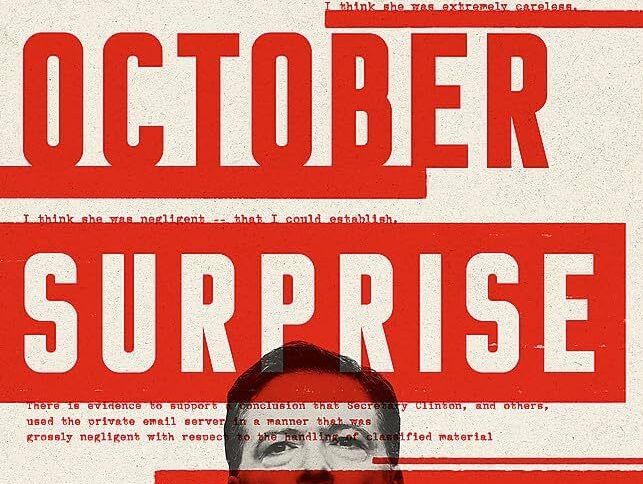
USA: Donald Trump witch hunt allegations intensify

Donald Trump has gotten his wish : the Department of Justice has indicted James Comey. The former FBI director had long been on the President’s enemies list,…

Categories
News Review

В Сумской области два мирных жителя ранены в приграничном городе Середина-Буда в результате обстреда неуправляемыми авиационными ракетами. https://smarturl.click/VRnZn

Categories
News Review

Hungarian outlet amplifies Russian foreign ministry in coordinated disinformation campaign

A recent article in the Hungarian pro-government media platform PestiSrácok alleged that Ukraine’s Security Service (SBU) was planning strikes against Romania and Poland using “captured and restored” Russian drones launched from western Ukraine. The piece, however, presented no documentary evidence, photos, videos, or official statements to substantiate the claim, relying instead on anonymous sources and speculation.

Author spreads pro-Kremlin narratives

The article was written by Magyar B. Tamás, a columnist with a record of amplifying narratives aligned with Moscow. He has repeatedly published material in PestiSrácok that mirrors Kremlin talking points, often presenting rumors and unverified assumptions as logical conclusions. Analysts have long classified the outlet, part of the KESMA/Mediaworks conglomerate, as an actor within Hungary’s pro-Kremlin media ecosystem.

False flag allegations without proof

The article’s central claim—that Ukraine could use Russian-made drones against NATO members Romania and Poland—was presented without supporting material such as serial numbers, satellite imagery, or independent verification. Instead, it cited vague references to “sources” while admitting the information amounted to little more than hearsay. This method of replacing evidence with suppositions is a standard disinformation tactic.

Synchronization with Russian foreign ministry

Shortly after publication, the same themes were echoed almost verbatim by Russian officials and state media. Foreign Ministry spokesperson Maria Zakharova repeated the claims, followed by outlets such as RIA, Rossiyskaya Gazeta, Vesti, MK, and Sputnik. Their messaging invoked scenarios of “World War III” and comparisons to the Gleiwitz incident, underscoring the coordinated nature of the narrative push.

Strategic interests and risks

Ukraine relies heavily on military aid transiting through Poland and Romania, making the suggestion that Kyiv would attack its own supply hubs implausible. Analysts note that only Moscow would benefit from undermining trust in NATO’s eastern flank. The timing also coincides with real incidents in September 2025, when Russian drones violated Polish airspace, prompting Russian media to project a “mirror narrative” by accusing Ukraine of plotting provocations.

Disinformation as psychological preparation

The near-simultaneous repetition of the Hungarian article’s claims by Russian state actors suggests pre-planned information operations aimed at preparing audiences for potential escalation. By framing NATO countries as possible targets of Ukrainian attacks, Moscow seeks to deflect attention from its own violations of allied airspace and to reduce accountability for future incidents beyond Ukraine’s borders.

Categories
News Review

Good morning from Ukraine! Let’s make it another day closer to a just peace. #StandWithUkraine 📷: 26th Artillery Brigade

Categories
News Review

Pete Alonso’s miscues, failure in clutch come at worst time for Mets

Pete Alonso has come back from the brink before. But this kind of night on a near must-win Game 160 looked like a return to that brink.
Categories
October Surprise 2016

Google Translate

Google’s service, offered free of charge, instantly translates words, phrases, and web pages between English and over 100 other languages.
Categories
News Review

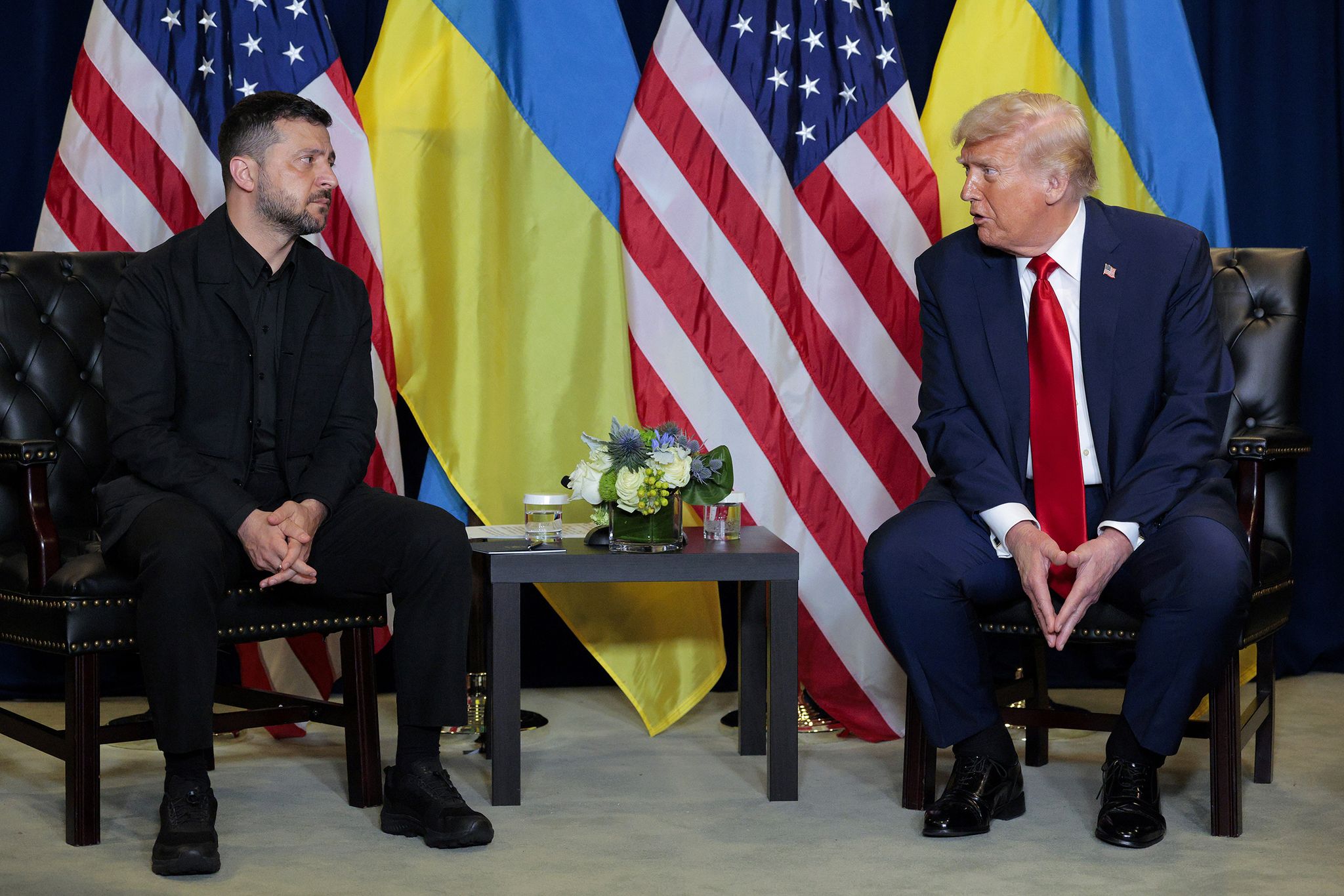
Ukraine war live: King Charles ‘was key influence’ in Trump changing stance on Putin

Zelensky’s chief of staff attributes US President’s state visit to the UK as key factor in his change of position
Categories
News Review

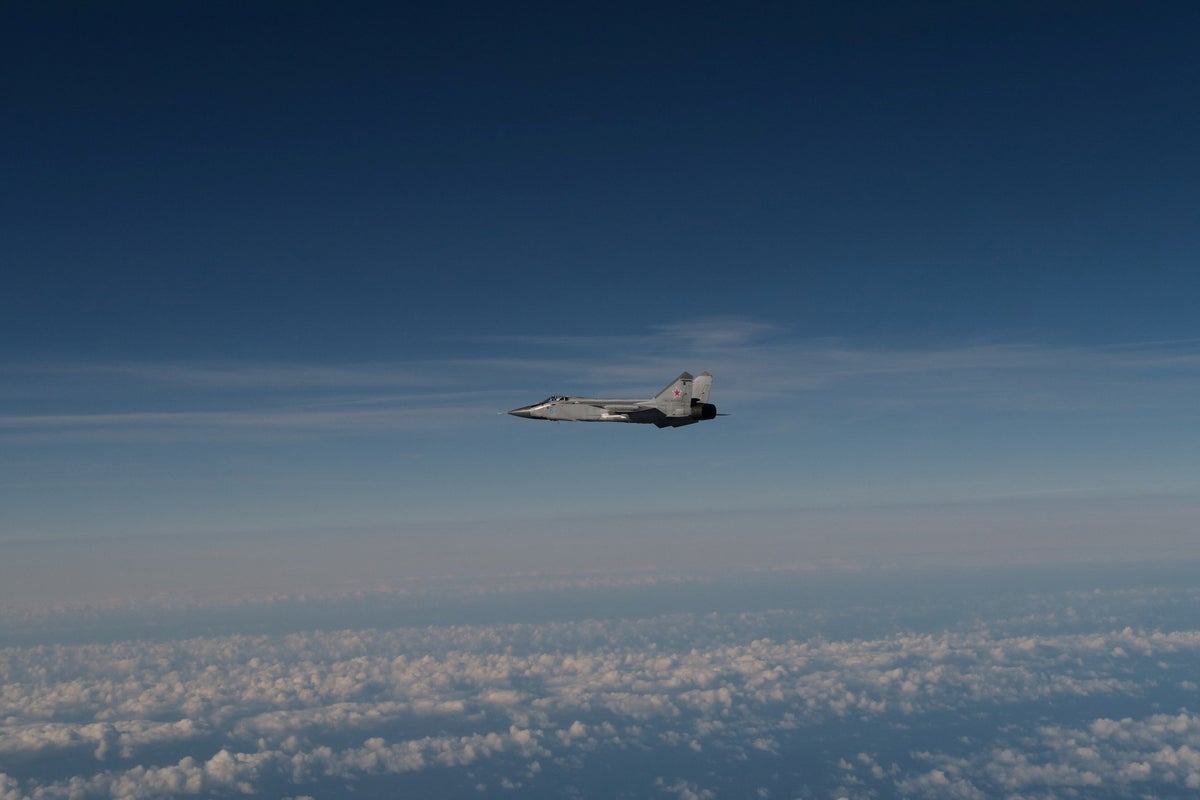
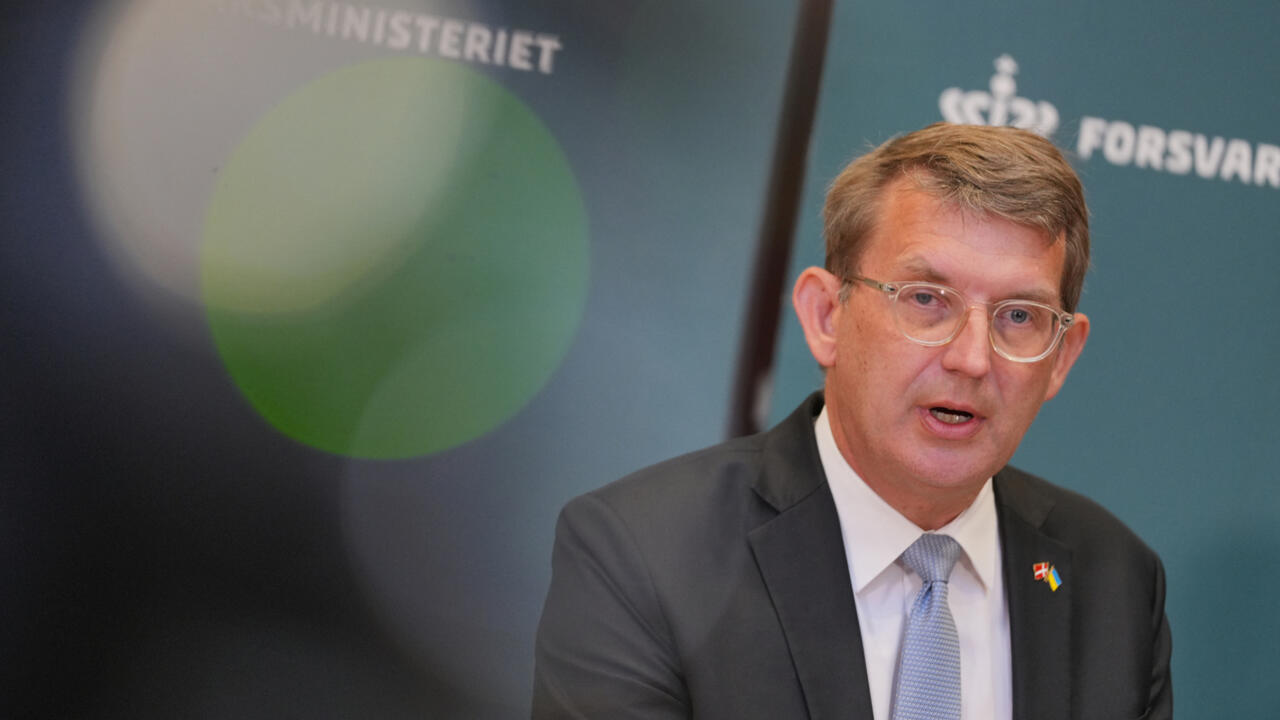
New drones sighted over Denmark’s largest military base

New unidentified drones were observed over Denmark’s biggest military base on Saturday, police said, in a slew of sightings that Danish officials have called a “hybrid attack”.
Categories
News Review

We can hope Donald Trump finally sees Russia as aggressor against Ukraine

Perhaps Trump’s recent post indicates that he’s removed his Russian-rose-colored glasses.