Categories
News Review

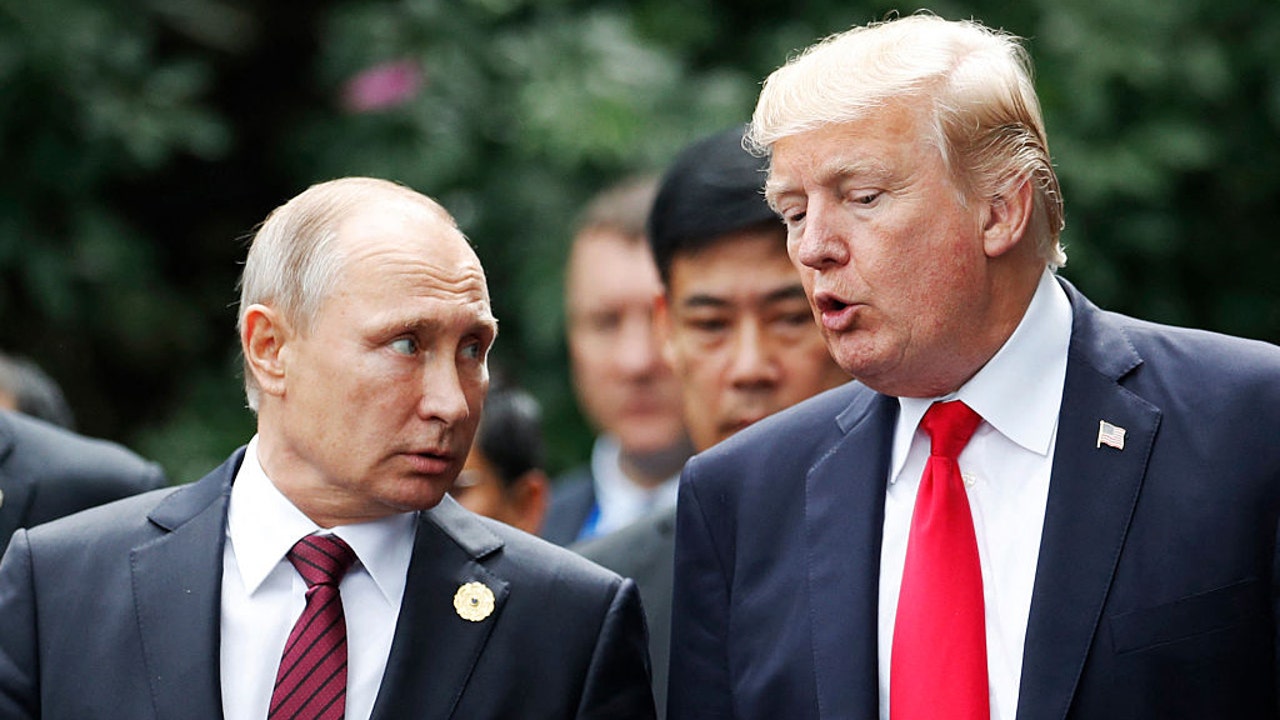
Trump and Putin to meet this week in bid to end Russia-Ukraine war

The upcoming talks between President Donald Trump and Russian President Vladimir Putin comes after Trump recently enforced a deadline for Russia to end its war with Ukraine.
Categories
News Review

Территориальная сделка: что предлагает Америка Киеву и Москве

Categories
News Review

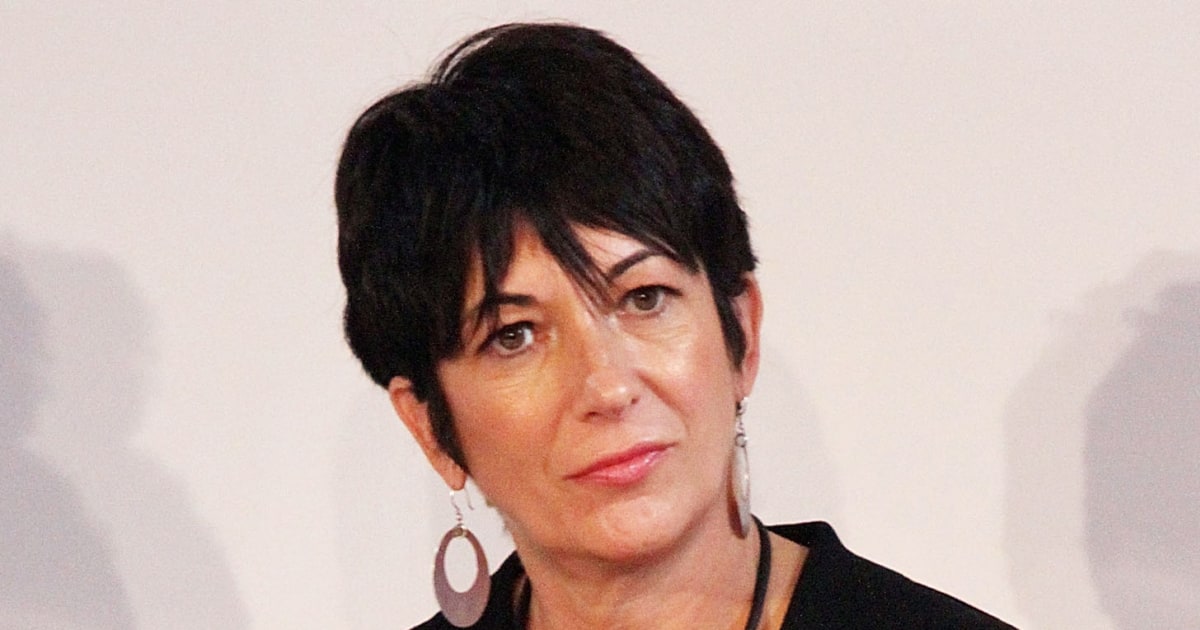
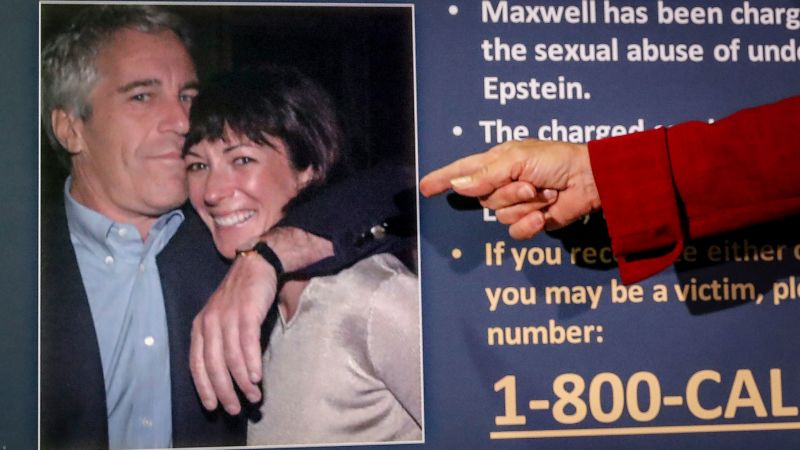
BREAKING: A judge denies request to unseal transcripts from grand jury that indicted Ghislaine Maxwell, Jeffrey Epstein’s former girlfriend. Follow live updates. https://t.co/H64PVPwIsu

Categories
News Review

Whom do the AI search results and chats legally belong to: the searchers or the engine? – Google Search google.com/search?q=Whom+do+… AI Overview . Here’s a breakdown:When it comes to legal ownership of AI search results and chats, the situation is complex and evolving, particularly regarding copyright protection1. CopyrightabilityUS Position: Current US copyright law requires human authorship for a work to be eligible for copyright protection. Therefore, works generated solely by an AI without human creative input are not considered copyrightable and are in the public domain. Human Involvement: If a human provides significant creative input, such as editing, arranging, or modifying the AI-g

Whom do the AI search results and chats legally belong to: the searchers or the engine? – Google Search google.com/search?q=Whom+do+…
AI Overview
. Here’s a breakdown:When it comes to legal ownership of AI search results and chats, the situation is complex and evolving, particularly regarding copyright protection1. CopyrightabilityUS Position: Current US copyright law requires human authorship for a work to be eligible for copyright protection. Therefore, works generated solely by an AI without human creative input are not considered copyrightable and are in the public domain.
Human Involvement: If a human provides significant creative input, such as editing, arranging, or modifying the AI-generated output, the human-authored elements might be eligible for copyright protection, according to the University of South Florida. However, the AI-generated parts themselves would still not be copyrightable.
International Variations: Some other jurisdictions, like the UK, have legal frameworks for computer-generated works that may offer some protection for AI outputs under specific circumstances.
2. Ownership based on terms of serviceMany AI companies address the ownership of AI-generated content in their terms of service (TOS) or end-user license agreements (EULAs).
OpenAI’s TOS, for instance, state that as between the user and OpenAI, the user owns the inputs they provide and the outputs generated by the service. However, this contractual ownership doesn’t override copyright law, meaning the output still may not be copyrightable in the US without human intervention.
It’s important to carefully review the specific terms of service of any AI search engine or chatbot you use to understand the ownership provisions regarding inputs and outputs.
3. Data privacy and usageThe data you provide as inputs to AI tools or generated through your interactions with them might be collected and used by the companies to train future models.
Some platforms might allow users to opt out of having their data used for training purposes, but this depends on the specific service’s policies.
Data privacy and responsible data handling are crucial considerations when using AI tools, especially for businesses dealing with sensitive or proprietary information.
4. Legal battles and future developmentsSeveral lawsuits are ongoing regarding the use of copyrighted materials to train AI models and the potential infringement of copyrights by AI-generated outputs, highlighting the need for clearer legal guidance.
Legislators and policymakers are actively discussing potential reforms to copyright law and the regulation of AI technologies to address these issues.
In conclusionWhile contractual agreements with AI providers might grant you ownership or licenses to use the AI-generated content, the ability to obtain full copyright protection for AI-generated works in the United States currently hinges on demonstrating sufficient human creative input. The legal landscape is constantly evolving, so staying informed about the latest developments and carefully reviewing the terms of service of the AI tools you use is important.
The post Whom do the AI search results and chats legally belong to: the searchers or the engine? – Google Search google.com/search?q=Whom+do+… AI Overview . Here’s a breakdown:When it comes to legal ownership of AI search results and chats, the situation is complex and evolving, particularly regarding copyright protection1. CopyrightabilityUS Position: Current US copyright law requires human authorship for a work to be eligible for copyright protection. Therefore, works generated solely by an AI without human creative input are not considered copyrightable and are in the public domain. Human Involvement: If a human provides significant creative input, such as editing, arranging, or modifying the AI-g first appeared on The News And Times Review – NewsAndTimes.org.

Categories
Articles and Tweets

Whom do the AI search results and chats legally belong to: the searchers or the engine? – Google Search google.com/search?q=Whom+do+… AI Overview . Here’s a breakdown:When it comes to legal ownership of AI search results and chats, the situation is complex and evolving, particularly regarding copyright protection1. CopyrightabilityUS Position: Current US copyright law requires human authorship for a work to be eligible for copyright protection. Therefore, works generated solely by an AI without human creative input are not considered copyrightable and are in the public domain. Human Involvement: If a human provides significant creative input, such as editing, arranging, or modifying the AI-g

Whom do the AI search results and chats legally belong to: the searchers or the engine? – Google Search google.com/search?q=Whom+do+…
AI Overview
. Here’s a breakdown:When it comes to legal ownership of AI search results and chats, the situation is complex and evolving, particularly regarding copyright protection1. CopyrightabilityUS Position: Current US copyright law requires human authorship for a work to be eligible for copyright protection. Therefore, works generated solely by an AI without human creative input are not considered copyrightable and are in the public domain.
Human Involvement: If a human provides significant creative input, such as editing, arranging, or modifying the AI-generated output, the human-authored elements might be eligible for copyright protection, according to the University of South Florida. However, the AI-generated parts themselves would still not be copyrightable.
International Variations: Some other jurisdictions, like the UK, have legal frameworks for computer-generated works that may offer some protection for AI outputs under specific circumstances.
2. Ownership based on terms of serviceMany AI companies address the ownership of AI-generated content in their terms of service (TOS) or end-user license agreements (EULAs).
OpenAI’s TOS, for instance, state that as between the user and OpenAI, the user owns the inputs they provide and the outputs generated by the service. However, this contractual ownership doesn’t override copyright law, meaning the output still may not be copyrightable in the US without human intervention.
It’s important to carefully review the specific terms of service of any AI search engine or chatbot you use to understand the ownership provisions regarding inputs and outputs.
3. Data privacy and usageThe data you provide as inputs to AI tools or generated through your interactions with them might be collected and used by the companies to train future models.
Some platforms might allow users to opt out of having their data used for training purposes, but this depends on the specific service’s policies.
Data privacy and responsible data handling are crucial considerations when using AI tools, especially for businesses dealing with sensitive or proprietary information.
4. Legal battles and future developmentsSeveral lawsuits are ongoing regarding the use of copyrighted materials to train AI models and the potential infringement of copyrights by AI-generated outputs, highlighting the need for clearer legal guidance.
Legislators and policymakers are actively discussing potential reforms to copyright law and the regulation of AI technologies to address these issues.
In conclusionWhile contractual agreements with AI providers might grant you ownership or licenses to use the AI-generated content, the ability to obtain full copyright protection for AI-generated works in the United States currently hinges on demonstrating sufficient human creative input. The legal landscape is constantly evolving, so staying informed about the latest developments and carefully reviewing the terms of service of the AI tools you use is important.
Categories
News Review

Judge denies DOJ bid to unseal Ghislaine Maxwell grand jury records

U.S. District Judge Paul A. Engelmayer says that the grand jury materials do not identify anyone other than Epstein or Maxwell as having had sexual contact with a minor.
Categories
News Review

Australia to recognize Palestinian state, leader says trib.al/CoSC6Sd

Categories
News Review

Federal judge rejects Trump DOJ’s bid to unseal grand jury materials in Ghislaine Maxwell case

A federal judge has rejected the Trump administration’s request to unseal grand jury materials from the Ghislaine Maxwell sex trafficking case.
Categories
News Review

Hurricane Henriette unexpectedly gains strength near Hawaii, winds may reach 80 mph

Henriette was downgraded from a tropical storm in the Eastern Pacific to a tropical depression, but restrengthened into a hurricane as it tracked away from Hawaii.
Categories
News Review

Israeli strikes kill journalists and aid-seekers as Australia backs Palestinian statehood

Israeli strikes kill journalists and aid-seekers as Australia backs Palestinian statehood