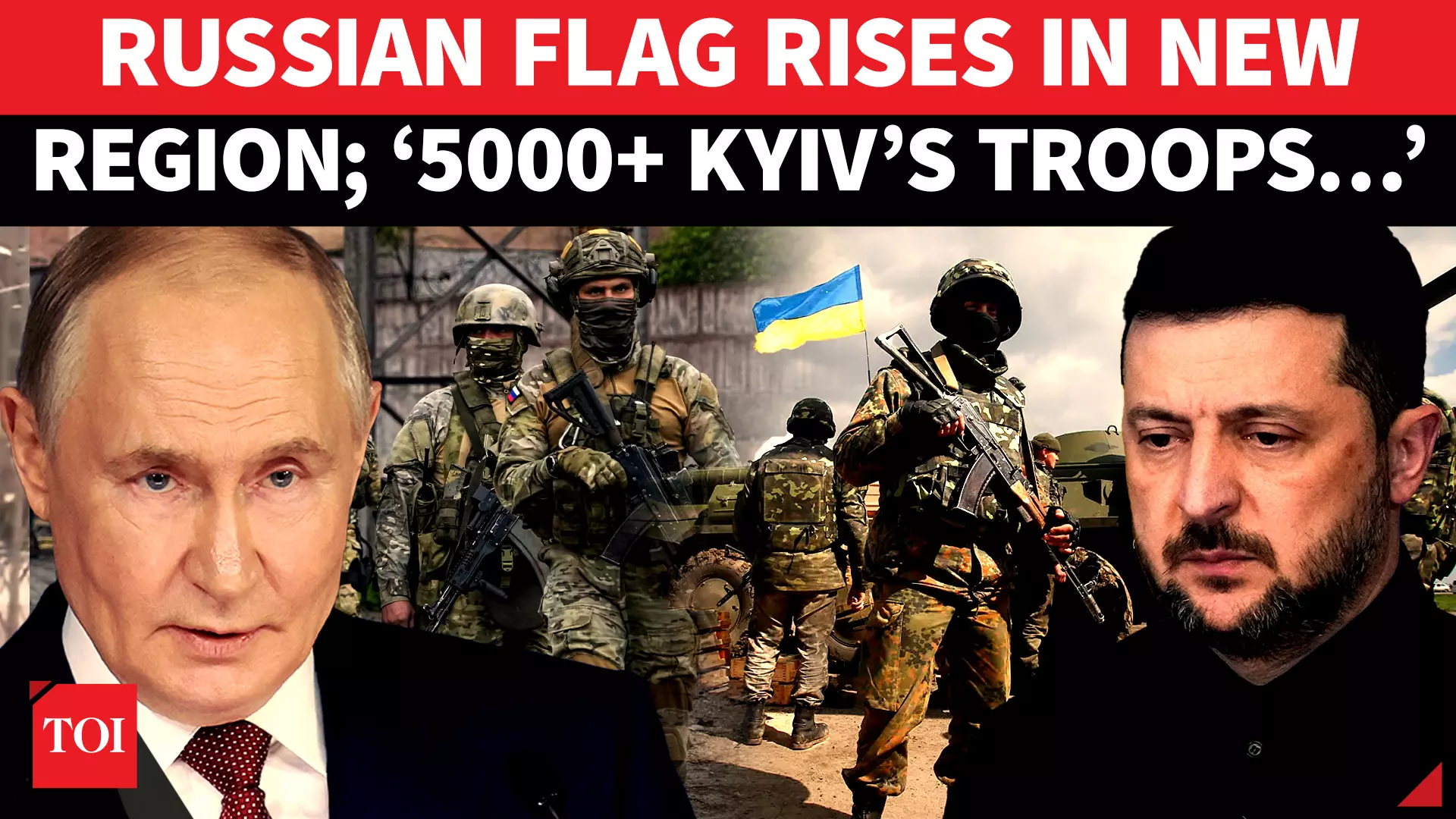

Biology and Psychology Shape Modern Power Dynamics
Summary
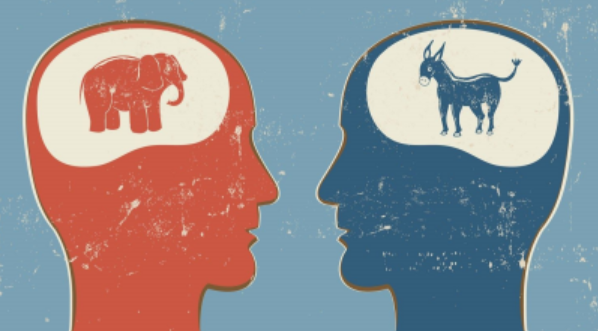
Recent analyses are linking human political behavior to ancient animal instincts, suggesting that world leaders operate much like primates in a hierarchy. By looking at how power, dominance, and family bonds work in nature, experts are finding new ways to understand the complex moves of global superpowers.
Key Stories
-
Statecraft as primate behavior — Experts suggest that global politics is essentially high-level primate behavior, where leaders use biological strategies like coalition building and social grooming to maintain their status as alphas.
-
The psychology of the global triad — A deep dive into the personalities of Trump, Putin, and Xi shows how individual traits like validation-seeking and historical grievance can override traditional government institutions.
-
Ethology meets family dynamics — The study of animal behavior is being used to explain human family psychology, showing that things like attachment and sibling rivalry are actually evolutionary survival tools.
-
Art and the politics of perception — Critics are using the concept of man curves and facial features to challenge political figures like Vladimir Putin on where art ends and propaganda begins.
![Ethology and Family Psychology - Google Search Ethology is the biological study of animal behavior, which family psychology adapts to understand human kinship and social dynamics. It views family interactions—such as attachment, hierarchy, and conflict—as evolutionary adaptations designed to promote survival, protection, and emotional development. [1, 2, 3, 4, 5] Key Concepts Connecting Ethology to Family Dynamics Attachment Theory: Pioneered by John Bowlb](https://pbs.twimg.com/media/HIw6GEuXcAAH6Tx.jpg)

Trump, Netanyahu, Putin, Mob


Sites