

- Identifying Causal Relationships: Accidents often have multiple contributing factors, and statistical analysis can help determine the strength and significance of each factor’s influence. For example, a study might reveal a statistically significant link between the presence of EW and certain types of accidents, even if not always directly caused by it. [2, 2, 3, 3, 4, 5]
- Quantifying the Impact: Statistical models can estimate the probability of an accident occurring given the presence or absence of specific extraneous factors. This allows for a more precise understanding of the risks associated with different situations. [3, 3, 6]
- Informing Safety Measures: By identifying the role of EW, statistical studies can guide the development of targeted safety procedures and technologies to mitigate the risk of accidents. [3, 3, 7, 7, 8]
- Improving Risk Assessment: These studies can help create more accurate models for predicting the risk of accidents, allowing for better resource allocation and preventative measures. [3, 3, 7, 7, 9, 10]
- Data Collection: Gather comprehensive data on past aviation accidents, including details about the circumstances, contributing factors (like pilot error, mechanical failure, weather, etc.), and the presence of any potential extraneous factors. [11, 11, 12, 12, 13]
- Data Analysis: Apply statistical techniques to analyze the collected data, identifying correlations and causal relationships between different factors and accident outcomes. [2, 2, 3, 3, 14, 14, 15, 16, 17]
- Model Building: Develop statistical models to predict the probability of an accident based on specific inputs, including the presence of EW. [3, 3, 18]
- Validation and Refinement: Continuously validate and refine statistical models with new data to ensure their accuracy and relevance. [3, 3, 7, 7]
- Loss of Control: If EW can interfere with navigation or communication systems, it might increase the risk of loss of control accidents.
- Misidentification of Objects: EW might lead to the misidentification of other aircraft or obstacles, potentially causing mid-air collisions or other accidents.
- Flight Deck Disruption: EW could disrupt flight management systems or cause pilots to misinterpret information, leading to errors.
–
–
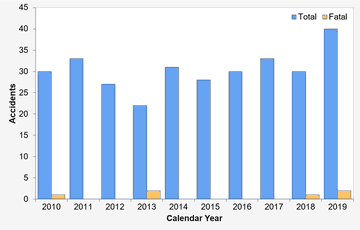
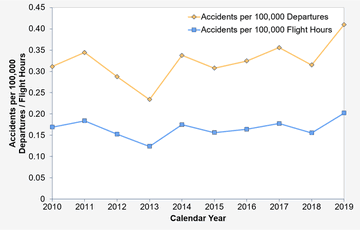
To determine the role of extraneous factors like acts of EW in aviation crashes, specific and detailed statistical studies are needed. These studies should analyze data from accident investigations, focusing on patterns and correlations between specific events and potential external influences. This approach allows for a more precise understanding of how extraneous factors contribute to aviation accidents. [1, 2, 3, 4]
Here’s a more detailed look: [1, 1, 2, 2, 3, 5, 6, 7, 8, 9]
• Focus on Specific Factors: Studies should focus on specific types of extraneous factors, such as weather events, mechanical failures, human error, and potential acts of EW.
• Data Analysis: Analyze accident data to identify patterns and correlations between these factors and accident outcomes. For example, is there a higher incidence of crashes during specific types of weather conditions, or when certain mechanical failures are present?
• Statistical Modeling: Use statistical modeling to test hypotheses about the role of extraneous factors. This could involve regression analysis to identify the most significant contributing factors, or other statistical methods to explore the relationships between variables.
• Comparative Analysis: Compare the frequency and severity of accidents with and without the presence of specific extraneous factors to determine the extent to which these factors influence accident outcomes.
• Case Studies: Conduct in-depth case studies of specific accidents to explore the role of extraneous factors in greater detail. This can involve interviews with crew members, analysis of flight recorders, and examination of the scene of the crash.
• Expert Consultation: Consult with aviation experts and specialists in relevant fields, such as meteorology, engineering, and human factors, to gain insights and perspectives on the role of extraneous factors in aviation accidents.
Generative AI is experimental.
[1]
faa.gov/sites/faa.gov/] ntsb.gov/safety/safety-] sciencedirect.com/science/articl] library.fiveable.me/forecasting/un] commons.erau.edu/cgi/viewconten] sciencedirect.com/science/articl] quora.com/What-are-some-] truckingexpertwitness.com/understanding-] arc.aiaa.org/doi/pdf/10.251–
google.com/search?q=Speci
–

Views