Counterintelligence SECURE Act – AI Review: Reform Debate Intensifies … Permissive US landscape … #CIA, #FBI, and #Counterintelligence News Today thenewsandtimes.blogspot.com…
Counterintelligence Reform Debate Intensifies – GS
Counterintelligence SECURE Act – AI Review
Legislative Reform: Congress is debating the SECURE Act, a major counterintelligence reform effort
Permissive US landscape allowing foreign spies to operate with impunity
CIA, FBI, and Counterintelligence News Today
Gemini Chats
6bb3Gemini – Counterintelligence Reform Debate Intensifies
Based on recent reports and legislative updates, here is a summary of the ongoing debate surrounding the Counterintelligence SECURE Act and the broader U.S. intelligence landscape:The Counterintelligence SECURE Act
The SECURE Act (Strategic Enhancement of Counterintelligence and Unifying Reform Efforts Act) is a major legislative proposal drafted as part of the House Intelligence Authorization Act for Fiscal Year 2026. The legislation aims to drastically overhaul how the United States manages counterespionage. Driven by concerns from lawmakers that the current counterintelligence landscape is overly fragmented and reactive, the bill proposes centralizing oversight. Specifically, it would merge dispersed agency structures into a newly established National Counterintelligence Center (NCIC) operating directly under the Office of the Director of National Intelligence (ODNI).
Permissive Landscape for Foreign Spies
Proponents of the SECURE Act argue that the U.S. currently suffers from a highly permissive environment that allows foreign adversaries, particularly intelligence operatives from China and Russia, to operate with relative impunity. Reformers in Congress argue that because agencies like the CIA, FBI, NSA, and Defense Intelligence Agency operate in silos, the U.S. response to espionage is too sluggish and uncoordinated to counter modern technological and human threats effectively.
CIA, FBI, and Current Intelligence Disputes
The push for the SECURE Act has ignited one of the most significant open power struggles within the U.S. intelligence community since the post-9/11 reforms, primarily centered around ODNI Director Tulsi Gabbard and FBI Director Kash Patel.
ODNI’s Stance: The ODNI supports the consolidation, viewing the creation of a centralized command as essential to coordinating national defense and stripping away bureaucratic hurdles that slow down intelligence fusion.
FBI’s Opposition: The FBI vehemently opposes the legislation. The Bureau has reportedly warned Congress that the reform would strip them of operational independence, lengthening the chain of command and risking the politicization of sensitive investigations. The FBI argues that routing counterintelligence decisions through the ODNI would severely damage national security rather than protect it.
Experts note that this public dispute highlights deeply differing visions for the future of U.S. counterintelligence: one model that is heavily centralized and coordinative, versus the traditional model that relies on decentralized, operational independence.
Senate Panel Testimony on Worldwide Threats
This footage features Tulsi Gabbard, Kash Patel, and other intelligence officials addressing Congress, offering direct insight into the leadership dynamics at the center of the current counterintelligence reform debate.
–
See Also:
Articles and Tweets: An hour after announcing his …
Articles and Tweets— Michael Novakhov (@mikenov) Apr 4, 2026
Month: April 2026
Counterintelligence SECURE Act – AI Review: Reform Debate Intensifies … Permissive US landscape … #CIA, #FBI, and #Counterintelligence News Today thenewsandtimes.blogspot.com…
Google Searches
Counterintelligence Reform Debate Intensifies – GS
Counterintelligence SECURE Act
Counterintelligence SECURE Act – AI Review
Legislative Reform: Congress is debating the SECURE Act, a major counterintelligence reform effort
Permissive US landscape allowing foreign spies to operate with impunity
CIA, FBI, and Counterintelligence News Today
Gemini Chats
6bb3Gemini – Counterintelligence Reform Debate Intensifies
Based on recent reports and legislative updates, here is a summary of the ongoing debate surrounding the Counterintelligence SECURE Act and the broader U.S. intelligence landscape:The Counterintelligence SECURE Act
The SECURE Act (Strategic Enhancement of Counterintelligence and Unifying Reform Efforts Act) is a major legislative proposal drafted as part of the House Intelligence Authorization Act for Fiscal Year 2026. The legislation aims to drastically overhaul how the United States manages counterespionage. Driven by concerns from lawmakers that the current counterintelligence landscape is overly fragmented and reactive, the bill proposes centralizing oversight. Specifically, it would merge dispersed agency structures into a newly established National Counterintelligence Center (NCIC) operating directly under the Office of the Director of National Intelligence (ODNI).
Permissive Landscape for Foreign Spies
Proponents of the SECURE Act argue that the U.S. currently suffers from a highly permissive environment that allows foreign adversaries, particularly intelligence operatives from China and Russia, to operate with relative impunity. Reformers in Congress argue that because agencies like the CIA, FBI, NSA, and Defense Intelligence Agency operate in silos, the U.S. response to espionage is too sluggish and uncoordinated to counter modern technological and human threats effectively.
CIA, FBI, and Current Intelligence Disputes
The push for the SECURE Act has ignited one of the most significant open power struggles within the U.S. intelligence community since the post-9/11 reforms, primarily centered around ODNI Director Tulsi Gabbard and FBI Director Kash Patel.
ODNI’s Stance: The ODNI supports the consolidation, viewing the creation of a centralized command as essential to coordinating national defense and stripping away bureaucratic hurdles that slow down intelligence fusion.
FBI’s Opposition: The FBI vehemently opposes the legislation. The Bureau has reportedly warned Congress that the reform would strip them of operational independence, lengthening the chain of command and risking the politicization of sensitive investigations. The FBI argues that routing counterintelligence decisions through the ODNI would severely damage national security rather than protect it.
Experts note that this public dispute highlights deeply differing visions for the future of U.S. counterintelligence: one model that is heavily centralized and coordinative, versus the traditional model that relies on decentralized, operational independence.
Senate Panel Testimony on Worldwide Threats
This footage features Tulsi Gabbard, Kash Patel, and other intelligence officials addressing Congress, offering direct insight into the leadership dynamics at the center of the current counterintelligence reform debate.
–
See Also:
Articles and Tweets: An hour after announcing his …
Articles and Tweets— Michael Novakhov (@mikenov) Apr 4, 2026
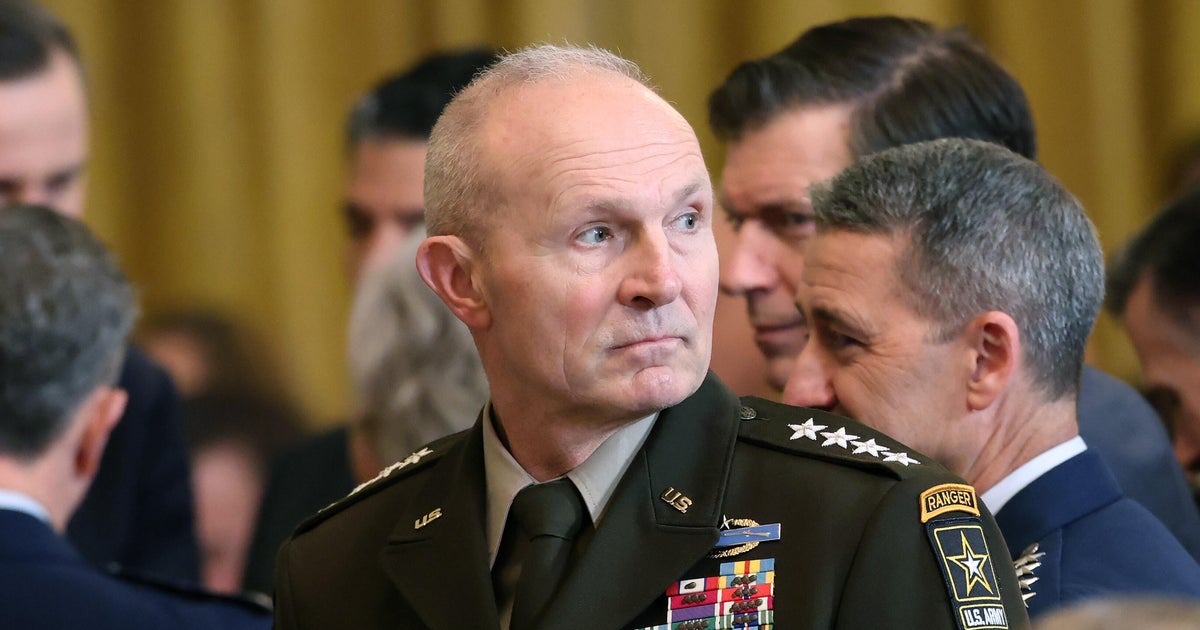
Генеральный секретарь НАТО Марк Рютте 8 апреля посетит с визитом Вашингтон. Он встретится с президентом и госсекретарем США, а также с главой Пентагона. Все это – на фоне заявлений Дональда Трампа о возможном выходе США из блока. Нынешняя турбулентность может стать началом возрождения Альянса, считает постоянный представитель Украины при НАТО Алена Гетьманчук. По ее словам, Украина может помочь блоку стать более эффективным и способным противостоять российской угрозе. Детали – в материале FREEДОМ.
ПОДПИШИСЬ!
– Telegram FREEДОМ: https://t.me/tv_freedom
– FREEДОМ в WhatsApp: https://whatsapp.com/channel/0029Vatf6diLdQebzJvwpl18
– Расследования, аналитика, прогнозы и репортажи: https://www.youtube.com/channel/UCfw-Im__utr2oDnV4cbr8tQ
– Интервью с самыми авторитетными экспертами: https://www.youtube.com/channel/UCq6rh0Rwn3iTsfJChFNUmjw
– Facebook: https://www.facebook.com/kanalfreedom
– Twitter: https://twitter.com/FreedomNewsUA
– Telegram FREDOM.LIFE: https://t.me/dom_channel
– Сайт FREEДОМ: https://uatv.ua/
#FREEДОМ #stoprussia #нато #сша #политикатрампа #безопасностьевропы
Scoop: Trump is likely to make leadership changes involving two more top roles at the Justice Department, per sources. The changes likely will affect Harmeet Dhillon, the assistant attorney general for the Civil Rights Division — a promotion for @HarmeetKDhillon — as well as…
— Jennifer Jacobs (@JenniferJJacobs) April 4, 2026
“Top aides have privately made the case to President Trump in recent days that Iran’s power-generating facilities and bridges are legitimate military targets because destroying them could cripple the country’s missile and nuclear programs, officials say.” https://t.co/o5GFjSnKMs
— Alex Ward (@alexbward) April 4, 2026
Turkey has introduced its first UAV interceptor, the HUNTER drone.
Developed by Skydagger, the system reaches speeds of up to 200 miles per hour and uses AI-enabled targeting with a combined guidance system integrating thermal and optical sensors.
It destroys targets by direct… pic.twitter.com/nw9nI8hWbF
— Mike (@Doranimated) April 4, 2026
Salah Sarsour, a Palestinian American and the Islamic Society of Milwaukee President, was pulled over and arrested by ICE agents on Thursday, April 2.
Wisconsin’s biggest mosque, ISM, said the 53-year-old is a legal permanent resident who has lived in the US for over three decades. DHS confirmed his arrest claiming Sarsour lied on his immigration forms and that he is “funding terror organizations.”
Wisconsin’s biggest mosque, ISM, said the 53-year-old is a legal permanent resident who has lived in the US for over three decades. DHS confirmed his arrest claiming Sarsour lied on his immigration forms and that he is “funding terror organizations.”
#ice #islamic #palestine #milwaukee
The New York Post is your source for breaking news, news about New York, sports, business, entertainment, opinion, real estate, culture, fashion, and more.
Check out our three new podcasts:
NYNext (week): https://www.youtube.com/@nynext1
Pod Force One with MIranda Devine (weekly): https://www.youtube.com/@PodForce1
NY POSTcast (daily): https://www.youtube.com/@NYPOSTcast
Get The Post’s latest headlines everyday with our Morning Report newsletter:
https://tinyurl.com/NYPOSTSIGNUP
Catch the latest news at http://www.nypost.com.
Follow The New York Post on:
Twitter – https://twitter.com/nypost
Facebook – https://www.facebook.com/NYPost