RT @KyivPost: Miami talks ended the way they started: in silence. While a Ukrainian delegation fanned out across social media to describe… — Michael Novakhov (@mikenov) Jan 19, 2026
Day: January 19, 2026
RT @KyivPost: Miami talks ended the way they started: in silence.
While a Ukrainian delegation fanned out across social media to describe…
— Michael Novakhov (@mikenov) Jan 19, 2026

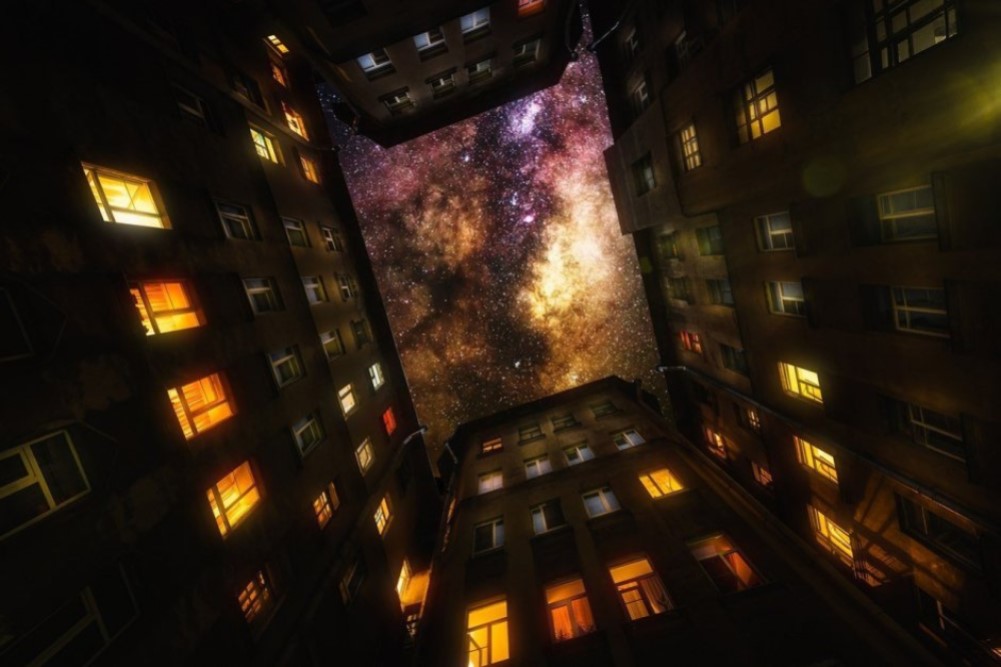
Energy crisis in Abkhazia
This winter, Abkhazia has avoided rolling power cuts for the first time in several years. However, this does not mean the problem of seasonal energy shortages has been fully resolved. At present, the republic is covering the deficit by purchasing electricity from Russia — a move that places a heavy burden on the budget.
The opposition Telegram channel Abkhazian Analytical Centre has put forward its own plan for overcoming the energy crisis.
In its view, the government is making a strategic mistake by focusing solely on increasing generation, while the key issue lies in reducing consumption through greater efficiency.
The Abkhazian Analytical Centre argues that the first step out of the crisis should be the adoption of a law on energy efficiency and energy saving.
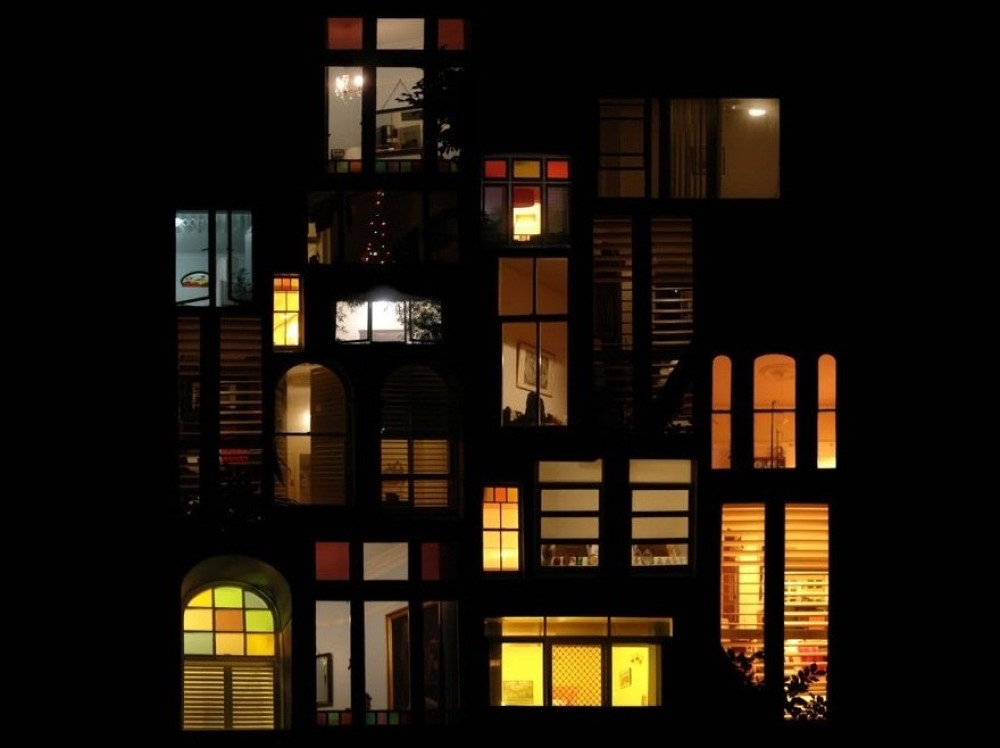
Differentiated tariffs as a key condition for developing the energy sector
“In global practice, priority has long been given to intensive rather than extensive energy development. In other words, the focus should be not on increasing energy production, but on using existing resources more rationally.
It is impossible to expand energy generation without managing how electricity is consumed. In conditions of shortage, this always ends the same way: new capacity is quickly ‘absorbed’, while power cuts persist. The key task, therefore, is to rationalise the use of the energy already available.
This logic leads directly to a second step, which is partly a continuation of energy-saving policy and partly an independent economic instrument — the introduction of differentiated electricity tariffs.”

In Abkhazia, this is rarely discussed, even though worldwide it has long been a basic norm. Differentiated tariffs are already used in Russia, the EU and elsewhere, where electricity is no longer treated as an unlimited resource.
The idea is that electricity tariffs are set according to both the volume and the type of consumption.
In Abkhazia’s case, volume matters because the energy system is limited. The more electricity a single consumer uses, the greater the strain it places on the entire system. The type of consumption is also crucial, because the same amount of electricity can be used in very different ways — either to generate profit or to meet society’s basic needs.
At present, these distinctions are largely absent from tariff policy. As a result, residential households and high-margin businesses end up paying under the same tariff structure, even though their impact on the energy system is fundamentally different.
In practice, differentiated tariffs in Abkhazia could be structured as follows:
- Apartments and private houses. Low consumption volumes, no commercial profit and social vulnerability. A social tariff should apply, linked to consumption levels, with allowances and subsidies for different categories of citizens.
- Hotels and tourist complexes. High consumption, peak loads and high profit margins. Commercial tariffs should apply, with rates rising as consumption increases. This sector currently contributes significantly to the republic-wide deficit and should help compensate for the strain on the system.
- Bakeries, bread plants and food production. High energy use but strategic importance. A special production tariff is needed so that higher energy costs do not translate into higher prices for basic food products.
- Restaurants, car washes, saunas and entertainment venues. Commercial consumption without a social function, and therefore subject to commercial tariffs based on consumption volume.
- Schools, hospitals and kindergartens. Social infrastructure. Preferential tariffs combined with mandatory energy audits.
Why is this especially important in Abkhazia?
We have no margin for error: limited generation capacity, worn-out grids and rapidly growing commercial consumption make the system extremely vulnerable. In such conditions, a single flat tariff directly encourages inefficiency.
It is also important that introducing differentiated tariffs does not require investment. This is a management decision. What is needed is:
- a regulatory act defining tariff categories;
- a clear classification of consumers;
- metering and oversight for the commercial sector;
- energy audits for large consumers.
Without these steps, discussions about new generation will begin and end in exactly the same way — with rolling power cuts.
A law on energy efficiency and differentiated tariffs are basic prerequisites, without which the development of the energy sector in Abkhazia is impossible.
Toponyms, terminology, views and opinions expressed by the author are theirs alone and do not necessarily reflect the views and opinions of JAMnews or any employees thereof. JAMnews reserves the right to delete comments it considers to be offensive, inflammatory, threatening or otherwise unacceptable.
Energy crisis in Abkhazia
Energy crisis in Abkhazia
The post ‘Have you tried cutting costs?’ Opinion on how Abkhazia could overcome its energy crisis first appeared on The South Caucasus News – SouthCaucasusNews.com.
Putin’s mouthpieces publicly portray Trump as actually worse than Putin:
“There is absolutely nothing in common in the situation between Trump and Greenland vs Ukraine and Russia Trump wants to take away something that isn’t his under the guise of defending it”. pic.twitter.com/UvwYo9vVW9— Jana-Adéla K. (@AdelaJana) January 19, 2026