
#SouthCaucasus
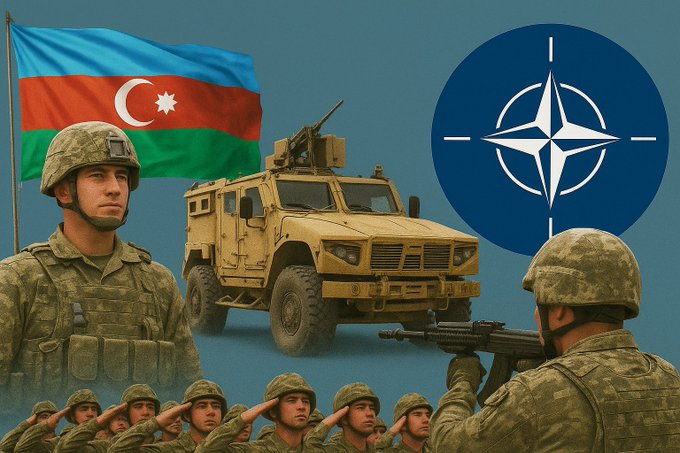
The Turkic agenda and the Turkic #illusions of #IlhamAliyev thenewsandtimes.blogspot.com…
Organization of Turkic States (OTS). Aliyev views this “Turkic agenda” as a major geopolitical force, while the “illusions” part of the phrase likely refers to external (often critical or skeptical) interpretations of the ultimate feasibility or goals of such a unified vision.The phrase “The Turkic agenda and the Turkic illusions of Ilham Aliyev” refers to the analysis and critical commentary surrounding the Azerbaijani president’s proactive foreign policy of deepening integration within the Turkic world, primarily through the
Ilham Aliyev’s “Turkic Agenda”
President Aliyev has consistently made strengthening ties with other Turkic nations a cornerstone of Azerbaijan’s foreign policy, aiming to transform historical and cultural commonalities into concrete political, economic, and security cooperation. Key aspects include:
Elevating the OTS: Aliyev asserts the OTS has evolved from a mere cooperation platform into a “significant geopolitical center”.
Economic and Connectivity Projects: A major focus is on enhancing transport and logistics links, such as the “Middle Corridor” (connecting Central Asia, the Caspian, and Europe), and energy cooperation to ensure regional stability and autonomy.
Defense and Security Cooperation: Aliyev has proposed joint military exercises among Turkic states and stressed the importance of increasing cooperation in the defense industry, framing it as a “collective shield”.
“One Nation, Two States” Philosophy: Relations with Turkey, in particular, are described as an alliance and a “key factor of security” in the region, solidifying the “one nation, two states” principle.
Critical Interpretations (“Turkic Illusions”)
The “illusions” part of the phrase is generally used by critics or skeptics who view the agenda as overly ambitious or potentially destabilizing.
Pan-Turkism Concerns: Some external observers, particularly in neighboring countries like Armenia, express concern that this agenda represents a push for an expansive, nationalistic “Great Turan” ideology, which they view as a potential threat to regional stability.
Geopolitical Competition: The agenda is viewed by some as an attempt to create a new, autonomous power bloc that bypasses traditional centers of influence like Russia or the West, which may be met with resistance from those powers.
Pragmatism vs. Ideology: Skeptics might argue that the deep-seated “unity” is more of a rhetorical device than a practical reality, suggesting that the diverse economic and political interests of the various Turkic states will ultimately limit the extent of true integration.
In essence, the phrase highlights the tension between Aliyev’s ambitious vision for a unified Turkic world and the various geopolitical realities and external interpretations that view this vision with a degree of skepticism or alarm.
share.google/aimode/UpXIPOmo…— Michael Novakhov (@mikenov) Nov 17, 2025
Day: November 17, 2025
x.com
2h


The Turkic agenda and the Turkic illusions of Ilham Aliyev –
The “Turkic agenda” of Ilham Aliyev, particularly the idea of a unified Turkic bloc and the Zangezur Corridor, is a central theme in his foreign policy, which he promotes as a means of strengthening regional security, economic cooperation, and cultural unity. “Turkic illusions,” according to critics, may refer to the potential for these ambitions to overlook regional realities, such as lingering ethnic tensions and competing geopolitical interests, which could undermine his vision for a peaceful and prosperous “Turkic world”. [1, 2, 3, 4, 5, 6]
The Turkic agendaEconomic integration: Aliyev views the Organization of Turkic States (OTS) as a tool for economic development, particularly through the expansion of transport corridors like the Zangezur Corridor, which he sees as a vital link between the Middle Corridor and the North-South route.
Geopolitical influence: Azerbaijan actively promotes the OTS as a significant geopolitical center and a bloc that is “no threat to anyone” but poses a “rising center of influence,” potentially challenging existing regional power balances.
Security and military cooperation: Aliyev emphasizes the importance of a unified military and security approach among Turkic states, proposing joint military exercises to enhance their collective defense capabilities.
Cultural and historical unity: Aliyev frequently invokes shared Turkic heritage, history, and culture to foster solidarity among Turkic peoples, framing the OTS as a “family” of nations. [1, 3, 5, 6, 7, 8, 9, 10, 11]“Turkic illusions”
Rhetoric versus reality: Critics argue that Aliyev’s rhetoric about peace and a unified Turkic world can be at odds with his government’s actions and state-level hate rhetoric.
Regional stability: The pursuit of the “Turkic agenda” could be perceived as undermining regional stability by creating new tensions or consolidating Azerbaijan’s influence in a way that could be seen as a threat by others.
Unrealistic expectations: The emphasis on “Turkic unity” may be seen as an overreach, ignoring the complex national interests of other countries and potentially creating a false sense of unity that doesn’t reflect the reality of geopolitical competition. [2, 4]Conclusion
While Aliyev’s “Turkic agenda” presents a vision of a unified and prosperous Turkic world, the “Turkic illusions” refer to potential challenges or contradictions that could undermine this vision. These may include the tension between his peaceful rhetoric and hardline actions, the overestimation of a unified “Turkic” identity, and the potential for the “Turkic bloc” to be perceived as a threat by other regional actors. [2, 4, 8]AI responses may include mistakes.
[1] trtworld.com/article/0d5ea57…
[2] evnreport.com/opinion/beyond…
[3] caspianpost.com/azerbaijan/p…
[4] carnegieendowment.org/resear…
[5] aze.media/one-of-main-object…
[6] eurasianet.org/azerbaijans-a…
[7] x.com/presidentaz/status/197…
[8] turkiyetoday.com/region/azer…
[9] dailysabah.com/politics/dipl…
[10] caliber.az/en/post/turkic-un…
[11] caspiannews.com/news-detail/…Google Search google.com/search?q=The+Turk…
— Michael Novakhov (@mikenov) Nov 17, 2025
Azerbaijan is viewed by Aliyev as a central player in the Turkic world –
Yes, Azerbaijani President Ilham Aliyev views Azerbaijan as a central player and leader in the Turkic world. He has explicitly stated that the Turkic world is a top foreign policy priority and considers the Organization of Turkic States (OTS) to be Azerbaijan’s “family”. [1, 2, 3]
Key aspects of this view include:Primary Foreign Policy Focus: Aliyev has made strengthening relations with Turkic states and enhancing cooperation through the OTS a strategic, national objective.
Geopolitical and Economic Hub: Azerbaijan is positioned by Aliyev as a key strategic transport and logistics hub connecting Asia and Europe via the Middle Corridor, which deepens integration among Turkic states.
Political and Military Alliance: Azerbaijan has a close political and military alliance with Türkiye, which Aliyev has described as important for the entire Turkic world. Similar strategic partnerships are in place with other Turkic nations like Kazakhstan and Uzbekistan.
Shared Identity: He frequently emphasizes the common history, ethnic roots, and language that unite the Turkic nations, making the OTS a unique organization based on shared heritage.
Global Actor: Aliyev aims to elevate the OTS to the status of a significant global player, leveraging the combined population, economic potential, and strategic location of member states. [1, 2, 4, 5, 6, 7, 8, 9, 10]AI responses may include mistakes.
[1] sia.az/en/news/politics/1300…
[2] aze.media/one-of-main-object…
[3] jam-news.net/azerbaijan-and-…
[4] caspianpost.com/azerbaijan/a…
[5] aze.media/ilham-aliyev-relat…
[6] alliance.net/blog/detail/pre…
[7] news.az/news/president-ilham…
[8] azertag.az/en/xeber/presiden…
[9] eurasianet.org/azerbaijans-a…
[10] turkiyetoday.com/region/azer…Google Search google.com/search?q=Azerbaij…
— Michael Novakhov (@mikenov) Nov 17, 2025
Azerbaijan and Dagestan: history,Ilham Aliyev’s designs, perspectives, and predictions –
The history between Azerbaijan and Dagestan is characterized by shared ethnic and cultural ties, with figures like Aziz Aliyev playing a role in regional history. Under President Ilham Aliyev, relations with Dagestan are actively promoted as beneficial for bilateral cooperation, regional logistics, and trade, though some views suggest this cooperation also serves Russia’s geopolitical and economic strategy. Aliyev’s designs include strengthening Azerbaijan’s regional influence through a multi-faceted foreign policy and economic partnerships, while his future predictions focus on continued integration with other Turkic states, viewing Azerbaijan as a geopolitical and geoeconomic hub. [1, 2, 3, 4, 5, 6, 7, 8]
History and cultural tiesShared heritage: Azerbaijan and Dagestan have a history of shared ethnic and cultural bonds, particularly evident in the Turkic and Islamic heritage.
Key historical figures: During his time in Dagestan, Aziz Aliyev played a significant role, famously preventing the deportation of the people of Dagestan, according to President.az. [2, 5, 8, 9, 10]Ilham Aliyev’s designs and policies
Strengthening bilateral relations: Aliyev actively engages with Dagestan, viewing cooperation as a way to foster bilateral relations and enhance regional development, as seen in his meetings with Dagestani leadership, notes Caucasus Watch.
Regional and geopolitical positioning: Aliyev is focused on positioning Azerbaijan as a key regional partner with a stable political and economic environment, promoting its role in Central Asia and the wider Turkic world, says Trend News Agency and Sia.az.
Economic and logistical role: He seeks to use Azerbaijan’s strategic location to create new routes for trade and economic exchange, viewing cooperation with Dagestan as part of this broader strategy to expand trade with Asian markets, according to SpecialEurasia and Sia.az. [1, 4, 6, 7, 8]Perspectives and predictions
Future of cooperation: Aliyev expresses confidence that cooperation with Dagestan and other partners will continue to expand across various sectors, including political, economic, and cultural spheres, as reported by Caucasus Watch and Sia.az.
Geopolitical integration: He predicts and promotes the idea of a closer geopolitical and geoeconomic integration between Central Asia and Azerbaijan, as stated by Baku.ws and Sia.az.
Role in the Turkic world: Azerbaijan is viewed by Aliyev as a central player in the Turkic world, and he envisions deepening ties with other Turkic states, particularly in Central Asia, says Sia.az. [1, 7, 8]AI responses may include mistakes.
[1] caucasuswatch.de/en/news/hea…
[2] president.az/en/articles/vie…
[3] palladiummag.com/2023/01/13/…
[4] specialeurasia.com/2022/12/0…
[5] open.metu.edu.tr/bitstream/h…
[6] trend.az/azerbaijan/politics…
[7] baku.ws/en/politics/ilham-al…
[8] sia.az/en/news/politics/1300…
[9] jamestown.org/program/city-o…
[10] turkic.world/en/articles/eco…Google Search google.com/search?q=Azerbaij…
— Michael Novakhov (@mikenov) Nov 17, 2025
Categories