
Categories
News Review

ASEAN summit in Malaysia: United against Trump tariffs?

Leaders of the South East Asian bloc ASEAN are holding their annual summit in the Malaysian capital of Kuala Lumpur. They are meeting for the first time since US President Donald Trump introduced his tariffs threatening global trade with disruption. The leaders represent countries heavilly reliant on exporting to the US market. They are expected to forge a united front against this and other problems.

00:00 ASEAN annual summit in Malaysia
02:24 Melissa Chan, DW East Asia Correspondent
06:18 Michael Vatikiotis, Centre for Humanitarian Dialogue
10:24 David Grunebaum, Journalist

For more news go to: http://www.dw.com/en/

Follow DW on social media:
►Instagram: https://www.instagram.com/dwnews
►TikTok: https://www.tiktok.com/@dwnews
►Facebook: https://www.facebook.com/deutschewellenews/
►Twitter: https://twitter.com/dwnews

Für Videos in deutscher Sprache besuchen Sie: https://www.youtube.com/dwdeutsch

Subscribe: https://www.youtube.com/user/deutschewelleenglish?sub_confirmation=1

#ASEAN #Malaysia #China
Categories
News Review

But don’t the people of Azerbaijan deserve freedom? Rubio also knows that the country called Azerbaijan will now be divided as a result of Ilham Aliyev’s efforts. Aliyev will only leave power through civil war. Conflict between the police and ordinary citizens is inevitable

Categories
News Review

Trump says he’ll delay a threatened 50% tariff on the European Union until July

President Trump is delaying a big tariff hike against the European Union. The AP’s Jennifer King reports.
Categories
News Review

First Alert Weather: Bright skies for Memorial Day in NYC area

John Elliott has the Tri-State Area’s updated Monday morning First Alert Forecast on CBS News New York.

For video licensing inquiries, contact: licensing@veritone.com

Categories
News Review

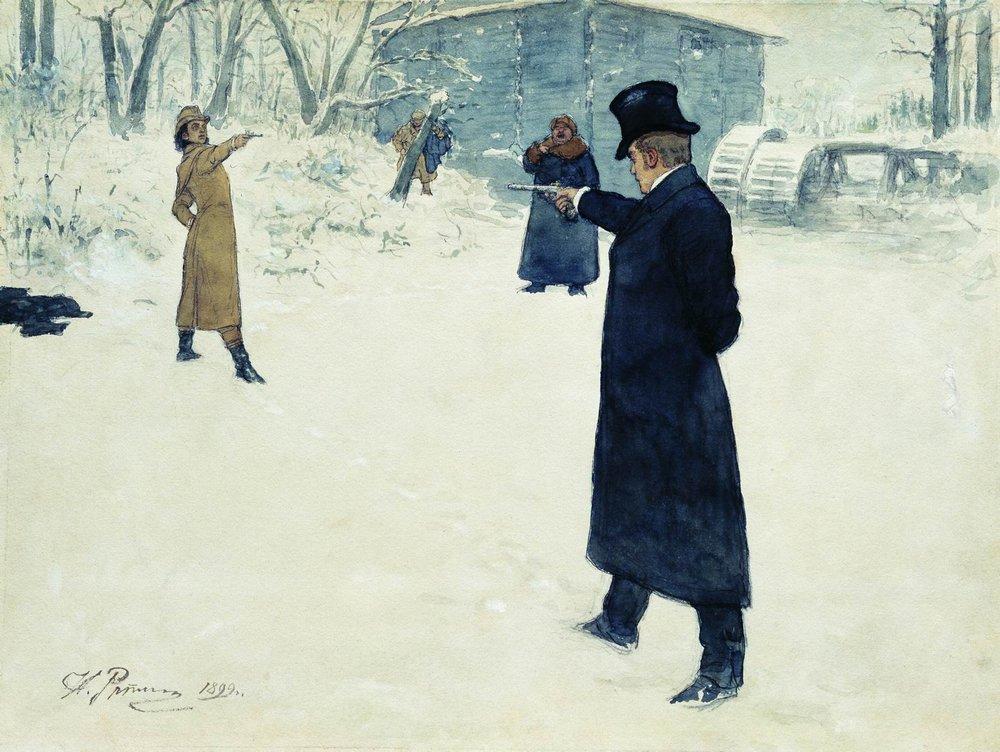
“An opera for Putin: Eugene Onegin comes out queer.” Gay interpretation of Eugene Onegin: I see this poem and opera as the depiction of the relationship between two gay lovers, Onegin and Lensky, socially unacceptable and bisexually intertwined; which turned tragic when Lensky threatened or hinted the disclosure, out of the heterosexual jealousy.

An opera for Putin: Eugene Onegin comes out queer - Slippedisc
I see this poem and opera as the depiction of the relationship between two gay lovers, Onegin and Lensky, socially unacceptable and bisexually intertwined; which turned tragic when Lensky threatened or hinted the disclosure, out of the heterosexual jealousy.
AI Overview

Some readers and stage directors have interpreted Eugene Onegin as exploring themes of unrequited love and suppressed desires, potentially reflecting a homosexual relationship between the characters Eugene Onegin and Vladimir Lensky. This interpretation is often linked to Tchaikovsky’s own suspected homosexuality and his marriage to Antonina Milyukova as a means to conceal it. [1, 2, 3, 4]


Elaboration:
  • Subtextual Gay Themes: Some critics and audience members have suggested that the strong bond between Onegin and Lensky, coupled with Lensky’s romantic interest in Olga, could be interpreted as a struggle with Onegin’s own repressed desires, potentially homosexual. [1, 1, 2, 2]
  • Tchaikovsky’s Life: The opera’s creation by Pyotr Ilyich Tchaikovsky, who was also gay and married to Antonina Milyukova, adds another layer to this interpretation. Tchaikovsky’s life and work have been seen as a reflection of his own struggles with sexuality and societal expectations. [2, 2, 4, 4, 5]
  • The Duel: The duel between Onegin and Lensky, often seen as a tragic climax, is sometimes interpreted as a metaphor for the clash between suppressed desires and societal norms. [2, 2]
  • Diverse Interpretations: While some productions and reviews emphasize the gay subtext, other interpretations focus on Onegin’s journey of self-discovery and the broader themes of love, regret, and social expectations. [3, 3, 6, 6, 7, 8]
  • Triquet’s Role: The character of Triquet, the often-flamboyantly portrayed character tenor, can be interpreted as a representation of Russian culture’s unconventional and unconventional sexuality. [9, 9]
In summary, a gay interpretation of Eugene Onegin focuses on the potential subtextual exploration of homosexual relationships, Tchaikovsky’s personal life, and the characters’ struggles with societal expectations and suppressed desires. [1, 2, 4]


AI responses may include mistakes.


AI Overview
Gay interpretation of Eugene Onegin
Interpretations of 

Eugene Onegin with a focus on gay or homoerotic themes often center around the potential for a concealed relationship or repressed desires between the main characters, Onegin and Lensky, and also touch upon the personal life of the composer, Pyotr Tchaikovsky. 

Key Points of Gay Interpretations:
  • Onegin and Lensky’s Relationship: Some interpretations suggest a hidden sexual relationship between Onegin and Lensky, citing moments of intense emotional connection and the context of their duel as potentially stemming from more than just heterosexual rivalry. For instance, some productions interpret Lensky’s love paean in Act 1 as directed towards Onegin, rather than Olga. Some see the duel itself as a metaphor for hidden desires or conflict related to their unspoken connection.
  • Echoes of Tchaikovsky’s Life: Tchaikovsky’s own struggles with his homosexuality are seen as reflected in the opera. His failed marriage, entered into as an attempt to suppress his sexual orientation, is viewed as mirroring the themes of unrequited love and the inability to express true feelings found in the opera. Some even consider Tatyana’s passionate letter-writing scene as a potential expression of a hidden gay heart, or a metaphorical coming out for Tchaikovsky.
  • The Duel’s Interpretation: The dramatic duel between Onegin and Lensky, culminating in Lensky’s death, has been analyzed through a queer lens. Some interpretations see it as a tragic consequence of societal pressures and the impossibility of their potentially homosexual desires, given the social context of the time.
  • Queer Readings in Modern Productions: Some contemporary opera productions and adaptations have explicitly incorporated a gay interpretation of Eugene Onegin. Heartbeat Opera’s production, for instance, emphasizes the homoerotic subtext, featuring moments that highlight a sexual connection between Onegin and Lensky. 
It is important to note that these interpretations are not universally accepted and Eugene Onegin is traditionally understood as a heterosexual love story. However, the emotional depth of the opera, coupled with Tchaikovsky’s personal history, has allowed for such interpretations to emerge and resonate with some audiences. These interpretations also speak to the broader context of LGBTQ+ history in Russia and the social pressures faced by homosexual individuals in the 19th and early 20th centuries. 
AI responses may include mistakes. Learn more


 –

The post “An opera for Putin: Eugene Onegin comes out queer.” Gay interpretation of Eugene Onegin: I see this poem and opera as the depiction of the relationship between two gay lovers, Onegin and Lensky, socially unacceptable and bisexually intertwined; which turned tragic when Lensky threatened or hinted the disclosure, out of the heterosexual jealousy. first appeared on The World Web Times – wwtimes.com.

Categories
October Surprise 2016

“An opera for Putin: Eugene Onegin comes out queer.” Gay interpretation of Eugene Onegin: I see this poem and opera as the depiction of the relationship between two gay lovers, Onegin and Lensky, socially unacceptable and bisexually intertwined; which turned tragic when Lensky threatened or hinted the disclosure, out of the heterosexual jealousy.

An opera for Putin: Eugene Onegin comes out queer - Slippedisc
I see this poem and opera as the depiction of the relationship between two gay lovers, Onegin and Lensky, socially unacceptable and bisexually intertwined; which turned tragic when Lensky threatened or hinted the disclosure, out of the heterosexual jealousy.
AI Overview

Some readers and stage directors have interpreted Eugene Onegin as exploring themes of unrequited love and suppressed desires, potentially reflecting a homosexual relationship between the characters Eugene Onegin and Vladimir Lensky. This interpretation is often linked to Tchaikovsky’s own suspected homosexuality and his marriage to Antonina Milyukova as a means to conceal it. [1, 2, 3, 4]


Elaboration:
  • Subtextual Gay Themes: Some critics and audience members have suggested that the strong bond between Onegin and Lensky, coupled with Lensky’s romantic interest in Olga, could be interpreted as a struggle with Onegin’s own repressed desires, potentially homosexual. [1, 1, 2, 2]
  • Tchaikovsky’s Life: The opera’s creation by Pyotr Ilyich Tchaikovsky, who was also gay and married to Antonina Milyukova, adds another layer to this interpretation. Tchaikovsky’s life and work have been seen as a reflection of his own struggles with sexuality and societal expectations. [2, 2, 4, 4, 5]
  • The Duel: The duel between Onegin and Lensky, often seen as a tragic climax, is sometimes interpreted as a metaphor for the clash between suppressed desires and societal norms. [2, 2]
  • Diverse Interpretations: While some productions and reviews emphasize the gay subtext, other interpretations focus on Onegin’s journey of self-discovery and the broader themes of love, regret, and social expectations. [3, 3, 6, 6, 7, 8]
  • Triquet’s Role: The character of Triquet, the often-flamboyantly portrayed character tenor, can be interpreted as a representation of Russian culture’s unconventional and unconventional sexuality. [9, 9]
In summary, a gay interpretation of Eugene Onegin focuses on the potential subtextual exploration of homosexual relationships, Tchaikovsky’s personal life, and the characters’ struggles with societal expectations and suppressed desires. [1, 2, 4]


AI responses may include mistakes.


AI Overview
Gay interpretation of Eugene Onegin
Interpretations of 

Eugene Onegin with a focus on gay or homoerotic themes often center around the potential for a concealed relationship or repressed desires between the main characters, Onegin and Lensky, and also touch upon the personal life of the composer, Pyotr Tchaikovsky. 

Key Points of Gay Interpretations:
  • Onegin and Lensky’s Relationship: Some interpretations suggest a hidden sexual relationship between Onegin and Lensky, citing moments of intense emotional connection and the context of their duel as potentially stemming from more than just heterosexual rivalry. For instance, some productions interpret Lensky’s love paean in Act 1 as directed towards Onegin, rather than Olga. Some see the duel itself as a metaphor for hidden desires or conflict related to their unspoken connection.
  • Echoes of Tchaikovsky’s Life: Tchaikovsky’s own struggles with his homosexuality are seen as reflected in the opera. His failed marriage, entered into as an attempt to suppress his sexual orientation, is viewed as mirroring the themes of unrequited love and the inability to express true feelings found in the opera. Some even consider Tatyana’s passionate letter-writing scene as a potential expression of a hidden gay heart, or a metaphorical coming out for Tchaikovsky.
  • The Duel’s Interpretation: The dramatic duel between Onegin and Lensky, culminating in Lensky’s death, has been analyzed through a queer lens. Some interpretations see it as a tragic consequence of societal pressures and the impossibility of their potentially homosexual desires, given the social context of the time.
  • Queer Readings in Modern Productions: Some contemporary opera productions and adaptations have explicitly incorporated a gay interpretation of Eugene Onegin. Heartbeat Opera’s production, for instance, emphasizes the homoerotic subtext, featuring moments that highlight a sexual connection between Onegin and Lensky. 
It is important to note that these interpretations are not universally accepted and Eugene Onegin is traditionally understood as a heterosexual love story. However, the emotional depth of the opera, coupled with Tchaikovsky’s personal history, has allowed for such interpretations to emerge and resonate with some audiences. These interpretations also speak to the broader context of LGBTQ+ history in Russia and the social pressures faced by homosexual individuals in the 19th and early 20th centuries. 
AI responses may include mistakes. Learn more


 –
Categories
News Review

6:38 6:38 Now playing, Trump EXPLODES in ragefest, TERRIFYING

Categories
News Review

Trump’s Comments on Gaza Reflect Israel’s Growing Isolation

For months, Israel’s strongest allies had been reluctant to join a wave of global censure against the war. Now, even the Trump administration appears to be growing impatient.
Categories
News Review

Section 60 at Arlington National Cemetery is hallowed ground where more than 1,000 U.S. soldiers are buried, and mementos left behind by their families remain. NewsNation’s @Jackie_Koppell spoke with cemetery officials about honoring the fallen, one item at a time. More:…

Section 60 at Arlington National Cemetery is hallowed ground where more than 1,000 U.S. soldiers are buried, and mementos left behind by their families remain. NewsNation’s @Jackie_Koppell spoke with cemetery officials about honoring the fallen, one item at a time. More:…
Categories
News Review

LIVE : Donald Trump Stuns Cyril Ramaphosa, Plays South African ‘White Genocide’ Videos

US President Donald Trump stunned his South African counterpart Cyril Ramaphosa with a video intended to support fabricated allegations of a white “genocide”…